By Category
01 Modeling ClayRound 01 Experience StageRound 02 Exploration Stage02 MacrameRound 03 Material Shift StageRound 04 Material Practice Stage03 Modeling clay + MacrameRound 05 Material Combination Stage04 Air-dry ClayRound 06 Refocus Stage05 Modeling Caly + Tool06 Tool makingRound 07 Mass Production StageBy Series
Tetrapod series (Tetrapod 00 -0?)Reference-based series (RB01 - 06)Knot series 01 -07Macrame series 01 -03FT series 01 - 03CM series 01- 06Round 01: Experience Stage
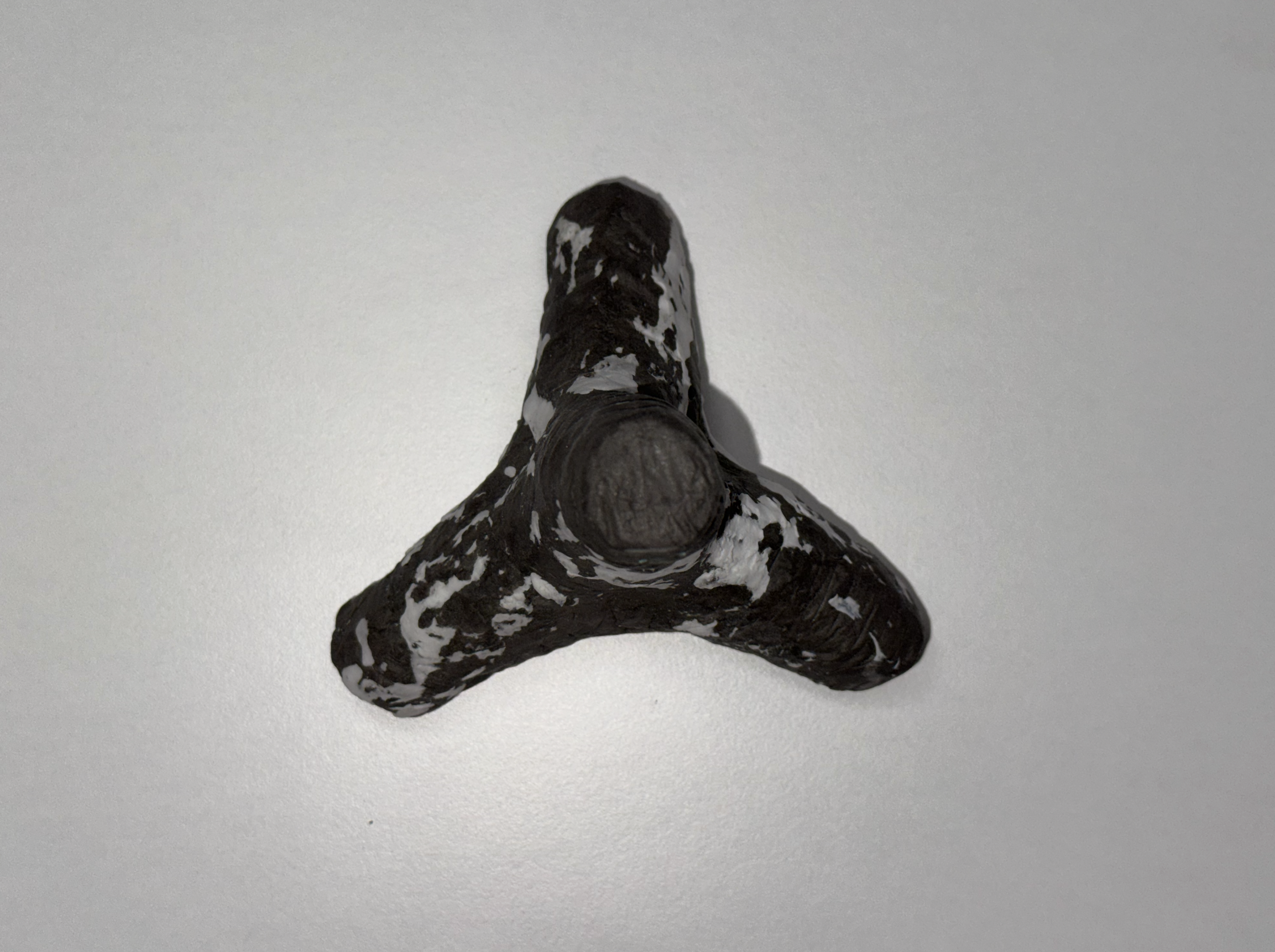
Name: Tetrapod 00Date created: Sep 23,2025Making duration: 50minsTechnique: cutting, carving, assemblingTags: #Handmade #SingleMaterial #Reference-based 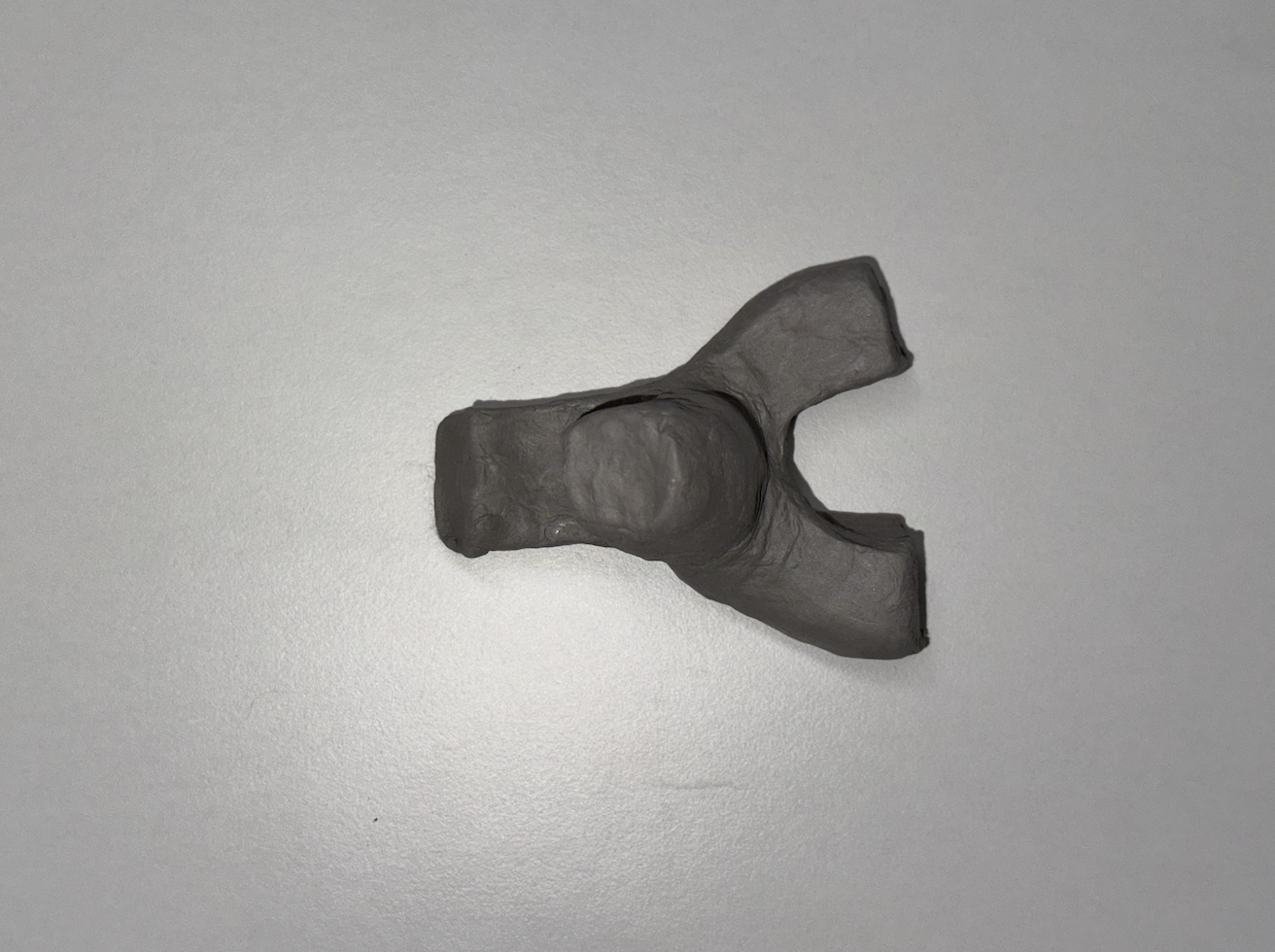
Name: RB01 - Dugong BlockDate created: Sep 23,2025Making duration: 55minsTechnique: cutting, carving, assemblingTags: #Handmade #SingleMaterial #Reference-based 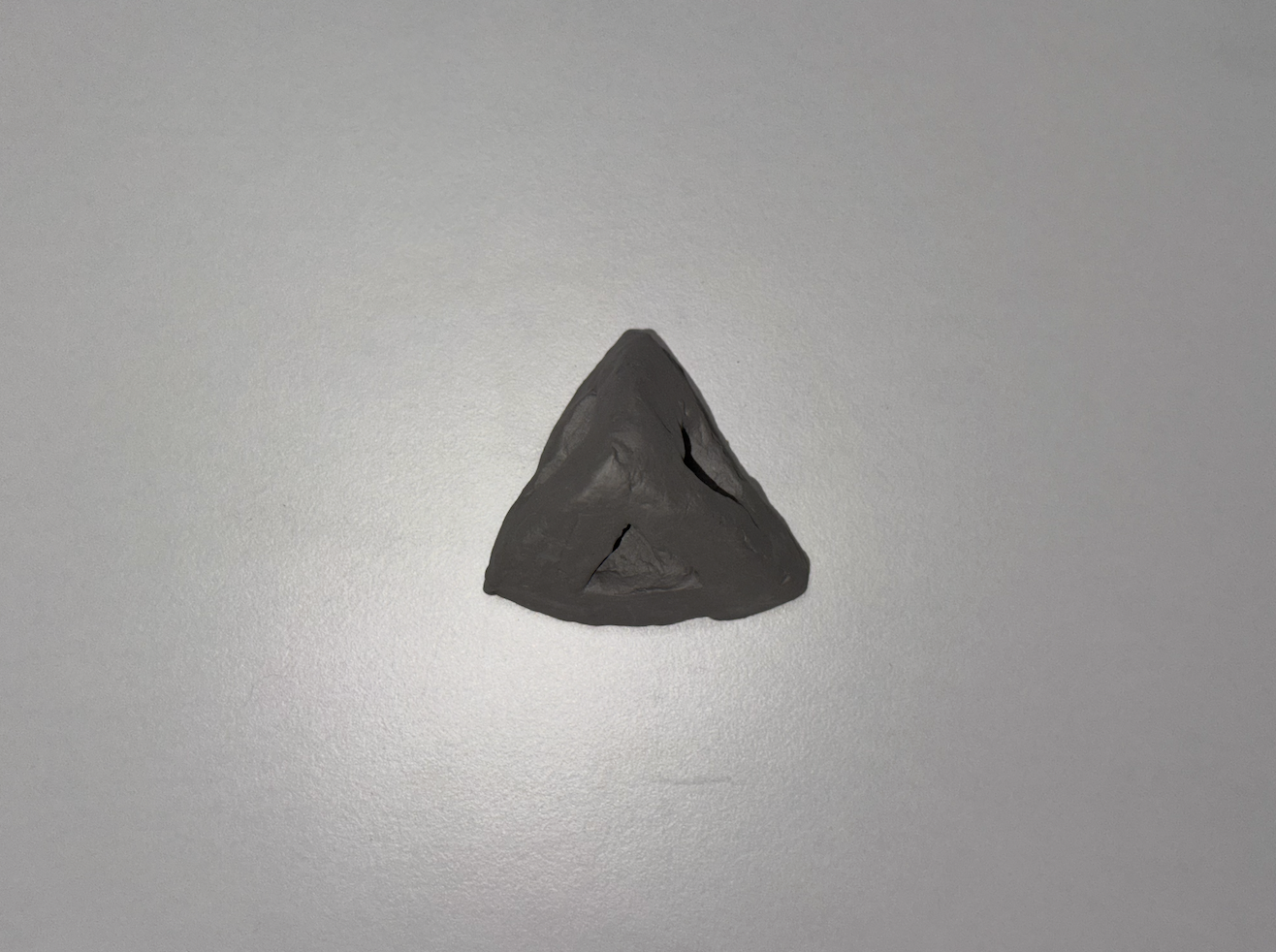
Name: RB02 - Hollow Triangular BlockDate created: Oct 1,2025Making duration: 45minsTechnique: cutting, carvingTags: #Handmade #SingleMaterial #Reference-based 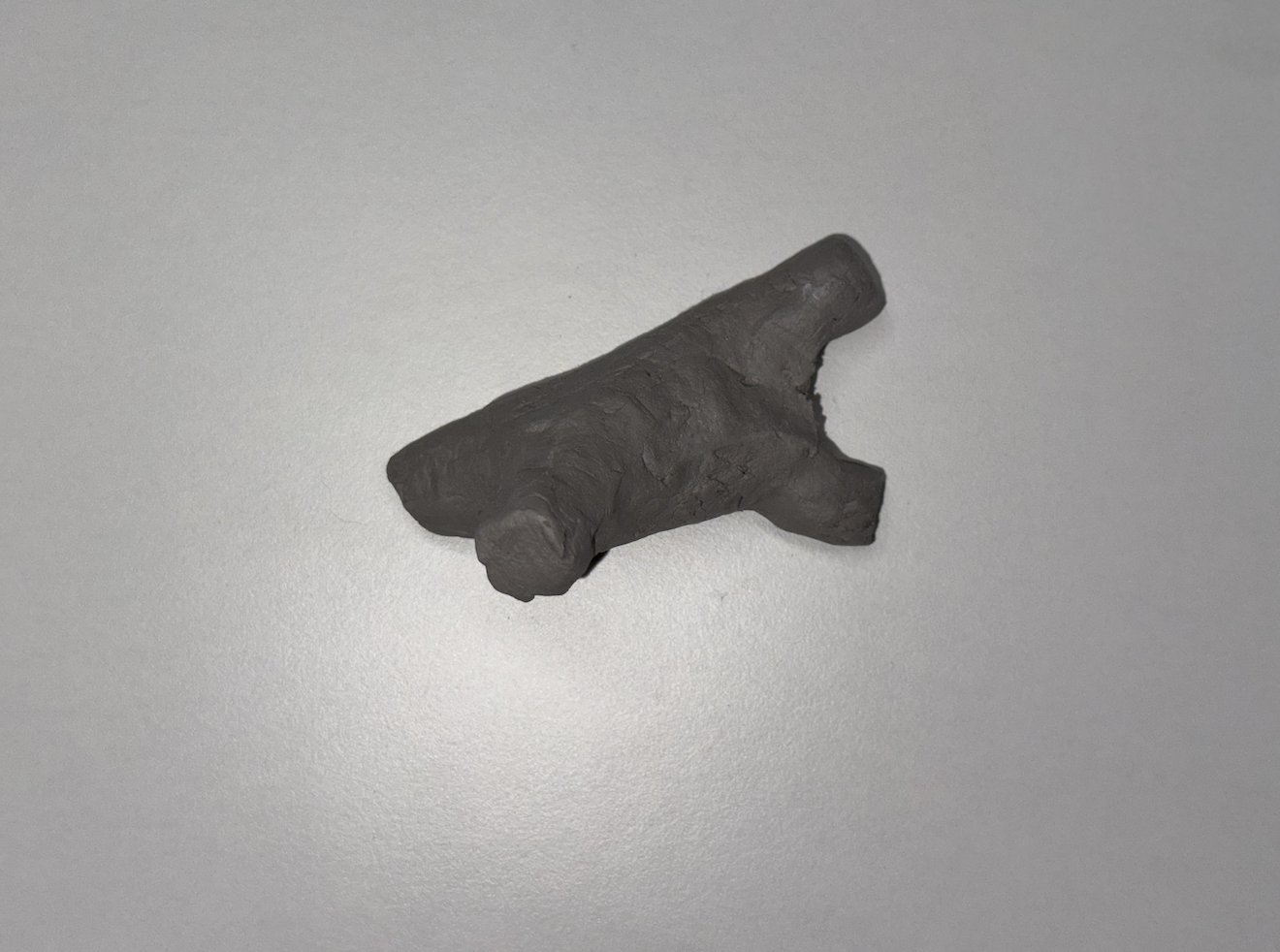
Name: RB03 - Sea RockDate created: Oct 1,2025Making duration: 50minsTechnique: cutting, carving, assemblingTags: #Handmade #SingleMaterial #Reference-based 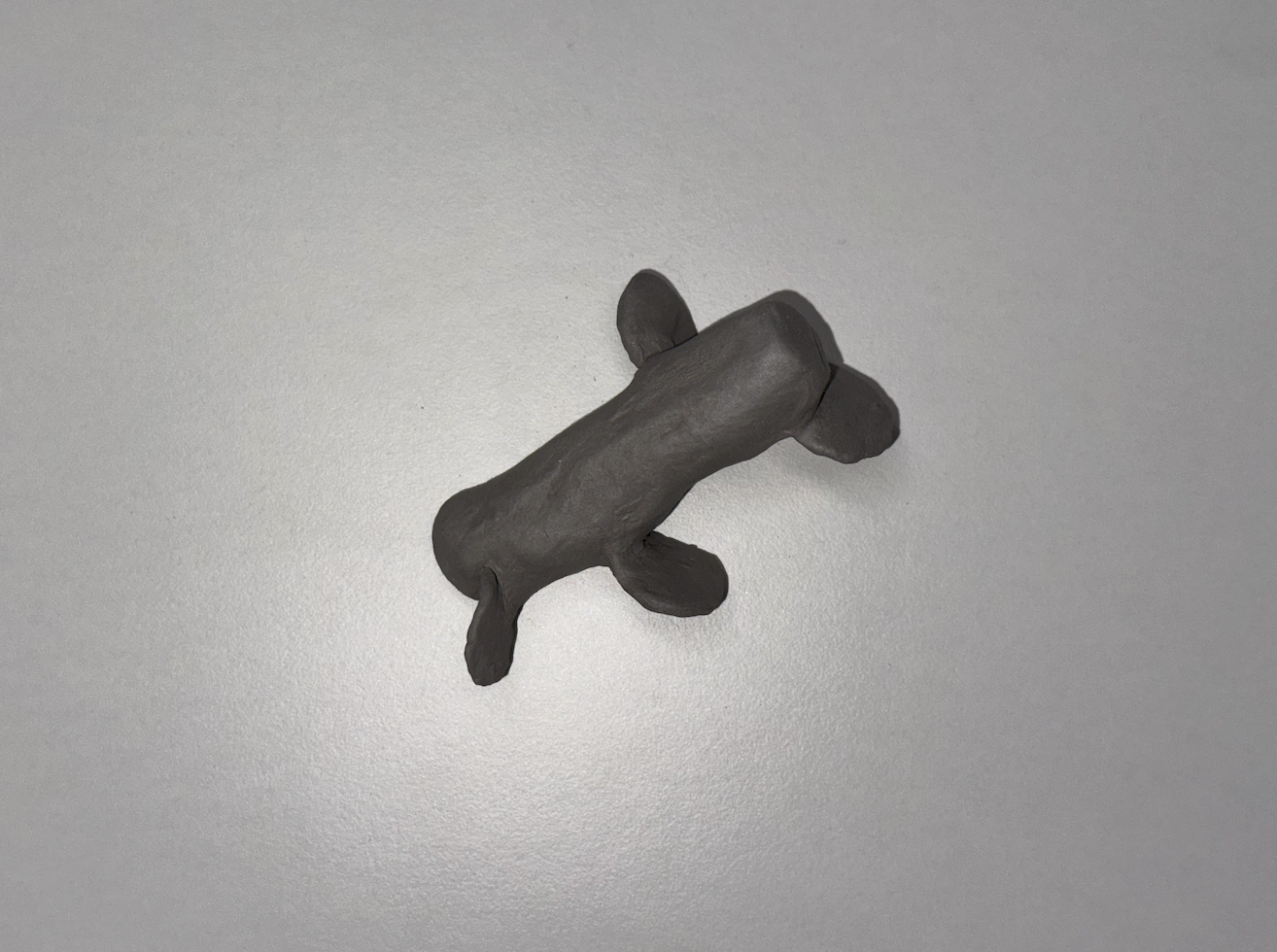
Name: RB04 - Sand Control BlockDate created: Oct 1,2025Making duration: 40minsTechnique: cutting, carving, assemblingTags: #Handmade #SingleMaterial #Reference-based 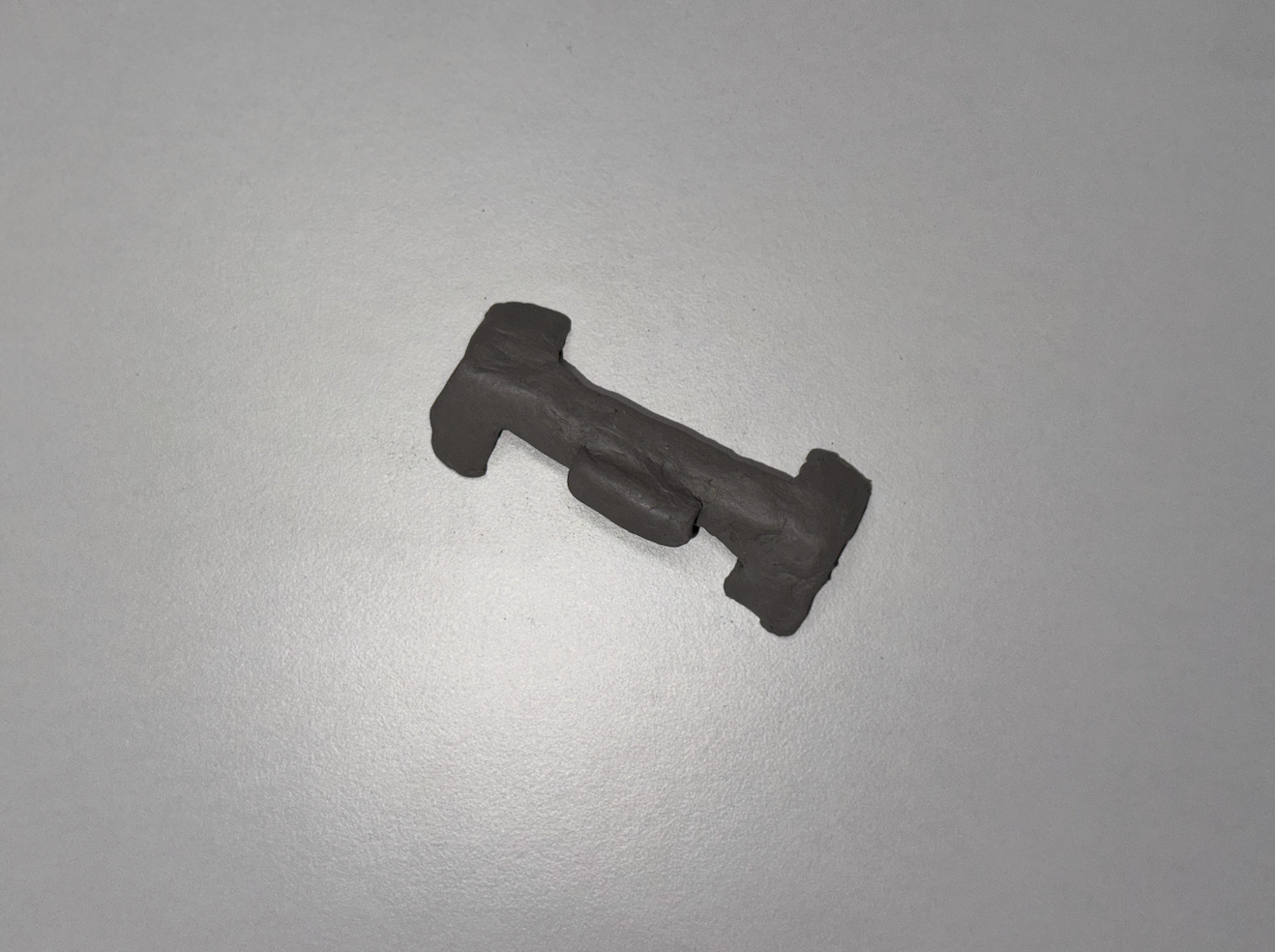
Name: RB05 - V LockDate created: Oct 1,2025Making duration: 35minsTechnique: cutting, carving, assemblingTags: #Handmade #SingleMaterial #FreeMaking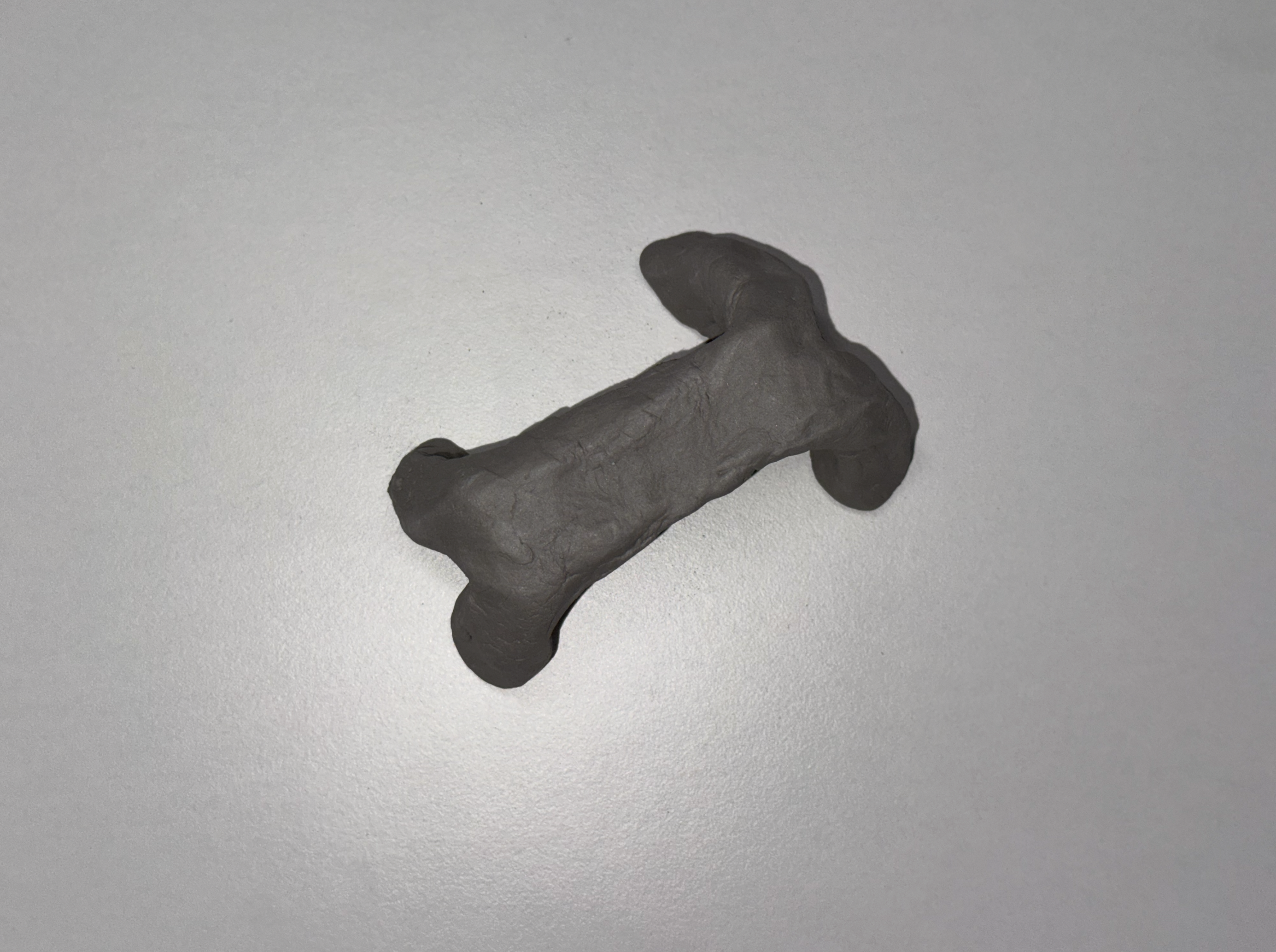
Name: RB06 - U CrossDate created: Oct 1,2025Making duration: 35minsTechnique: cutting, pinchingTags: #Handmade #SingleMaterial # FreeMakingRound 03: Material Shift Stage
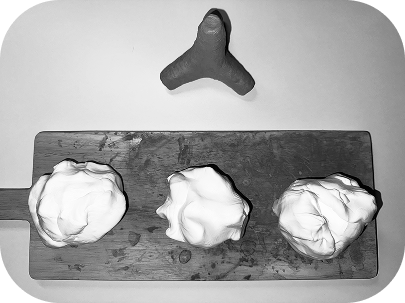
1. Weigh out three equal-sized clay blocks, each weighing 63-64gName: CM04 - 06Date created: Oct 16,2025Making duration: 65 mins eachMaterial: Air-dry clayTechnique: Pinching, KnottingTags: #Handmade #CombinedMaterial #FreeMaking Round 06: Refocus Stage
Mass Production of TetrapodSample imageStep 01: Duplication & ReflectionMaking Process Documentation(1h20mins)Name: Knot 01- 03Date created: Sep 26,2025Making duration: 20 - 35 mins eachTechnique: knottingTags: #Handmade #SingleMaterial #Reference-based 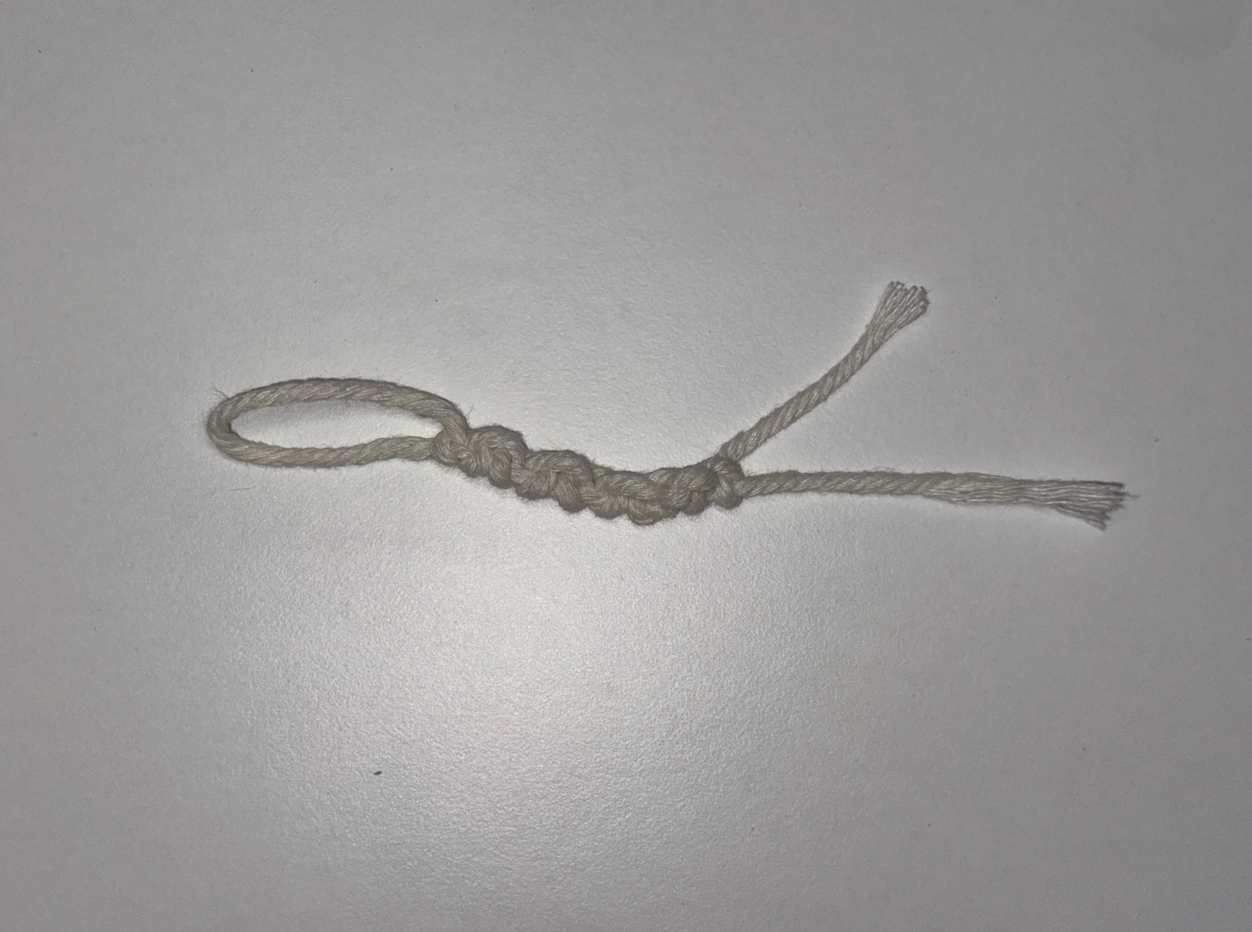
Name: Knot 04- 07Date created: Oct 9,2025Making duration: 30 - 35mins eachTechnique: knottingTags: #Handmade #SingleMaterial #Reference-based 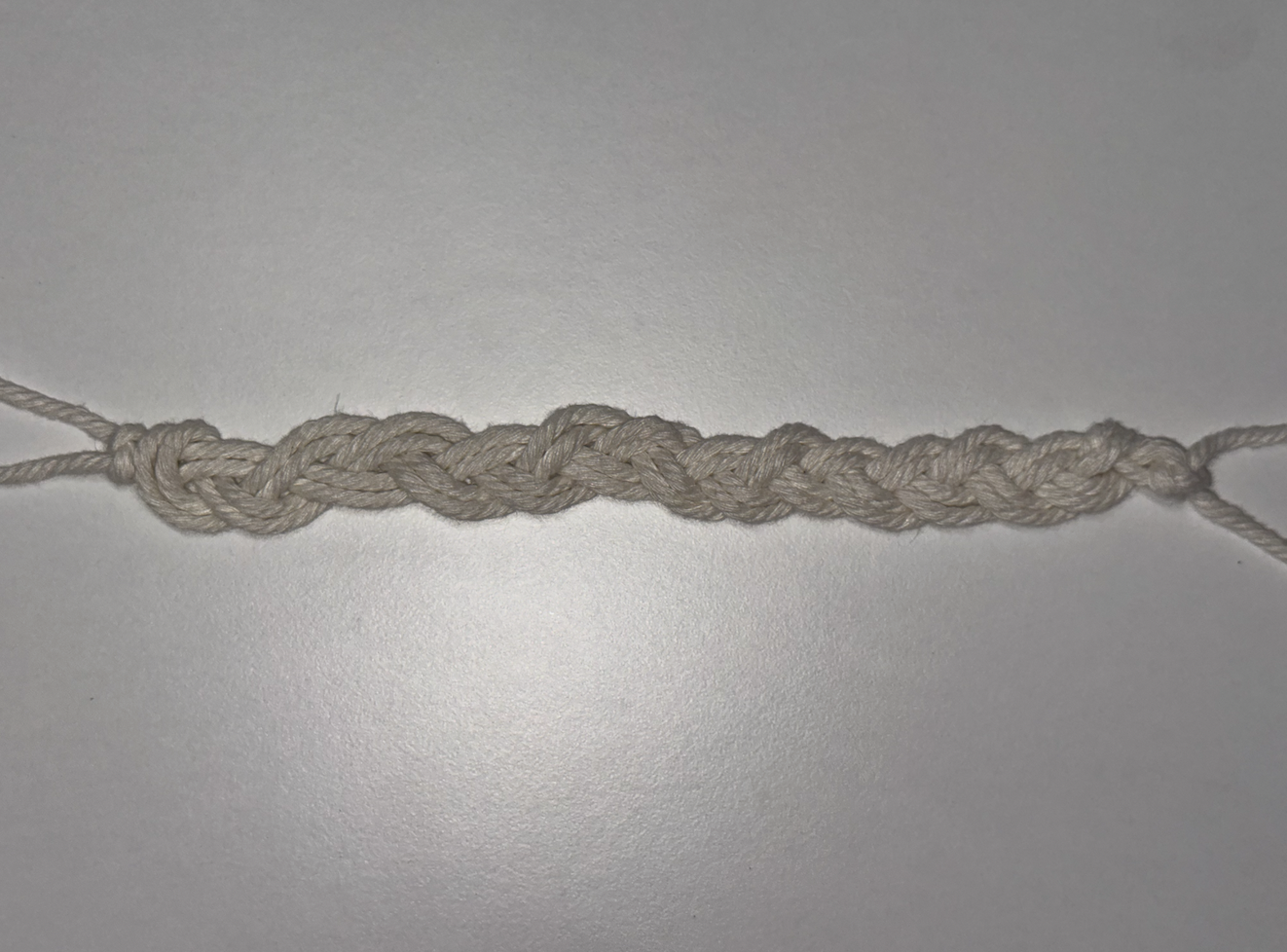
Round 04: Material Practice Stage
Name: Macrame 01- 03Date created: Oct 9,2025Making duration: 30 - 35mins eachTechnique: MacrameTags: #Handmade #SingleMaterial #Reference-based 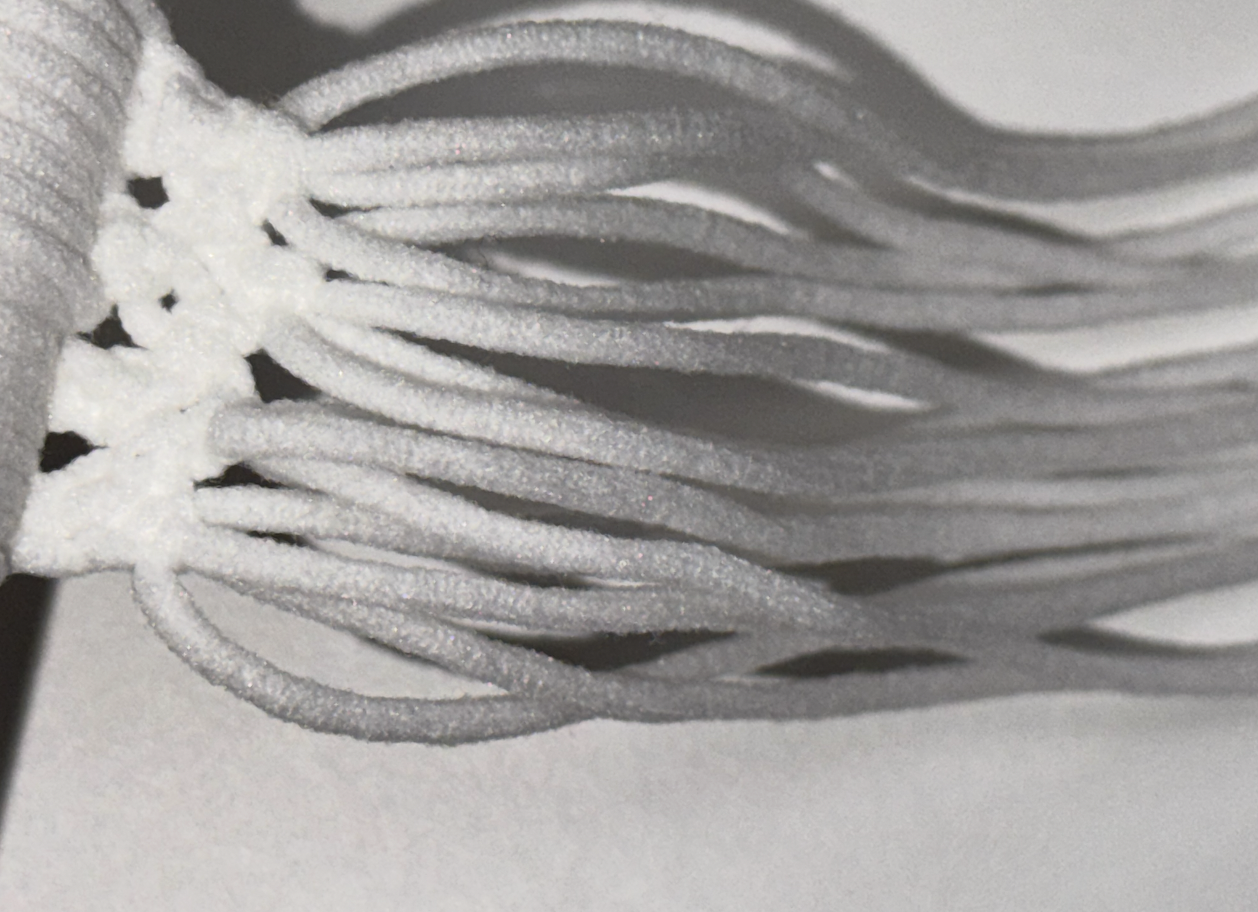
Name: FT 01- 03Date created: Nov 10,2025Making duration: 35 - 50 mins eachTechnique: MacrameTags: #Handmade #SingleMaterial #Reference-based 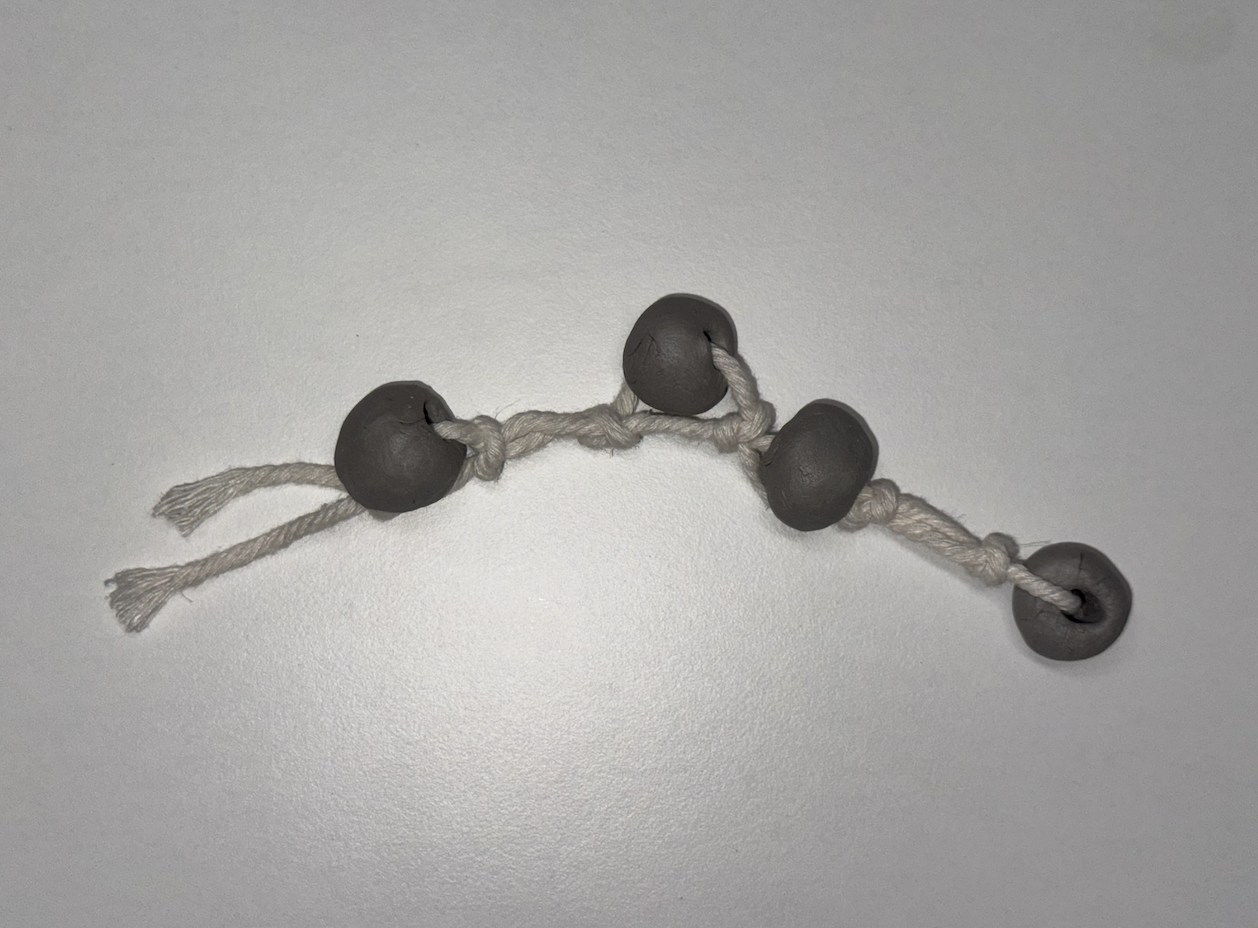
Round 05: Material Combination Stage
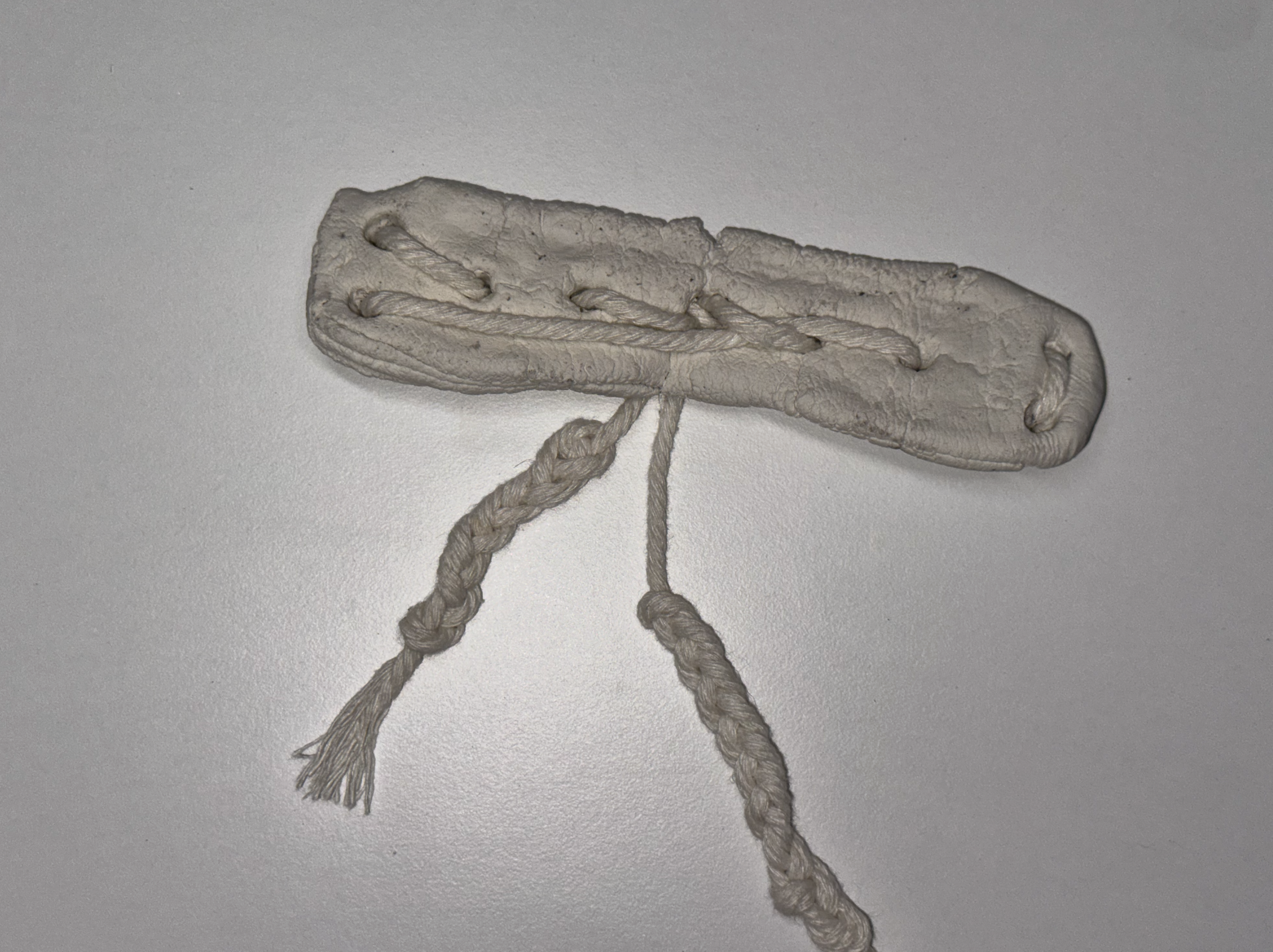
Name: CM01 - 03Date created: Oct 16,2025Making duration: 50 mins eachTechnique: Rubbing, Pinching, KnottingTags: #Handmade #CombinedMaterial #FreeMaking 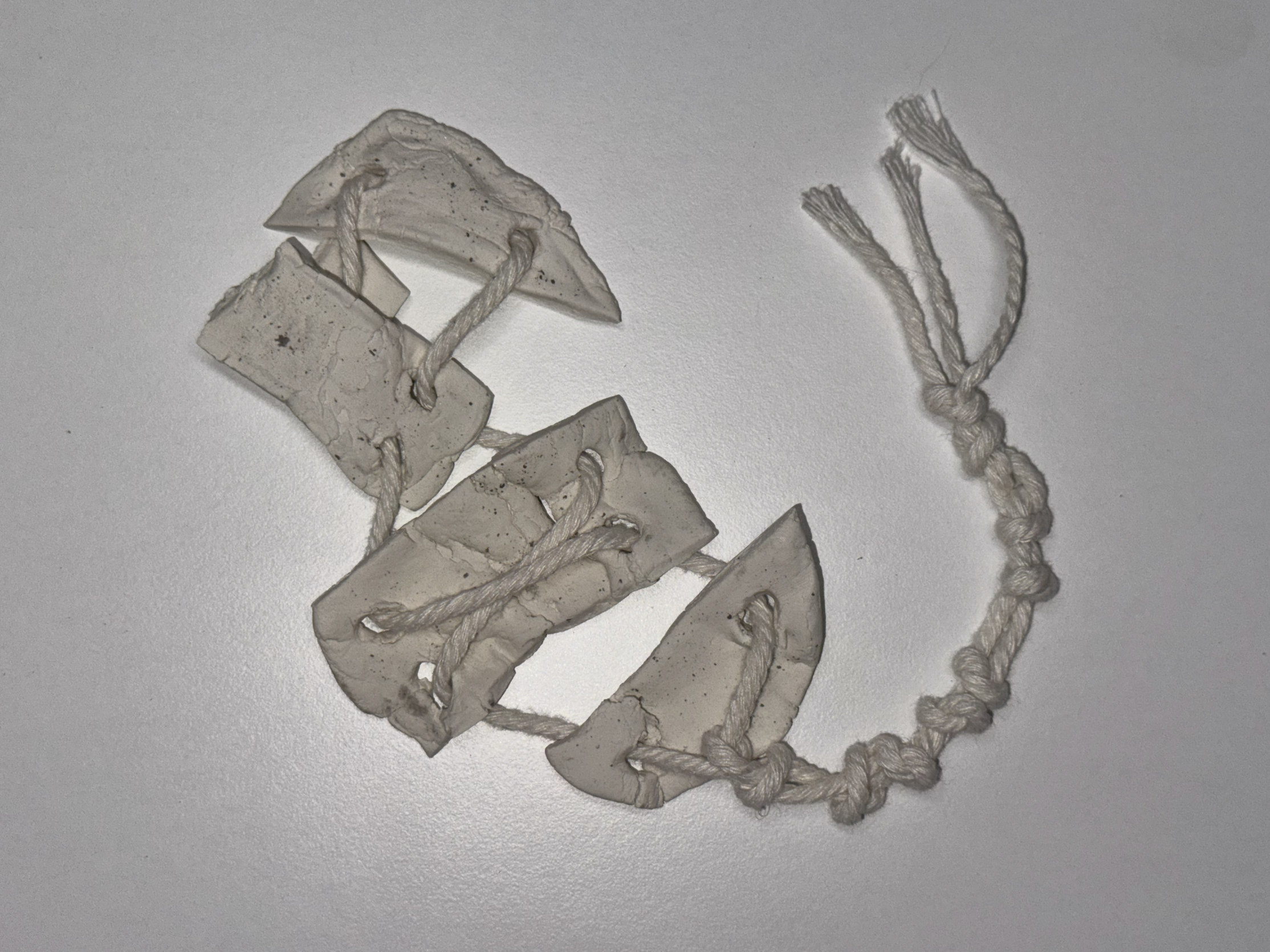
Round 02: Exploration Stage
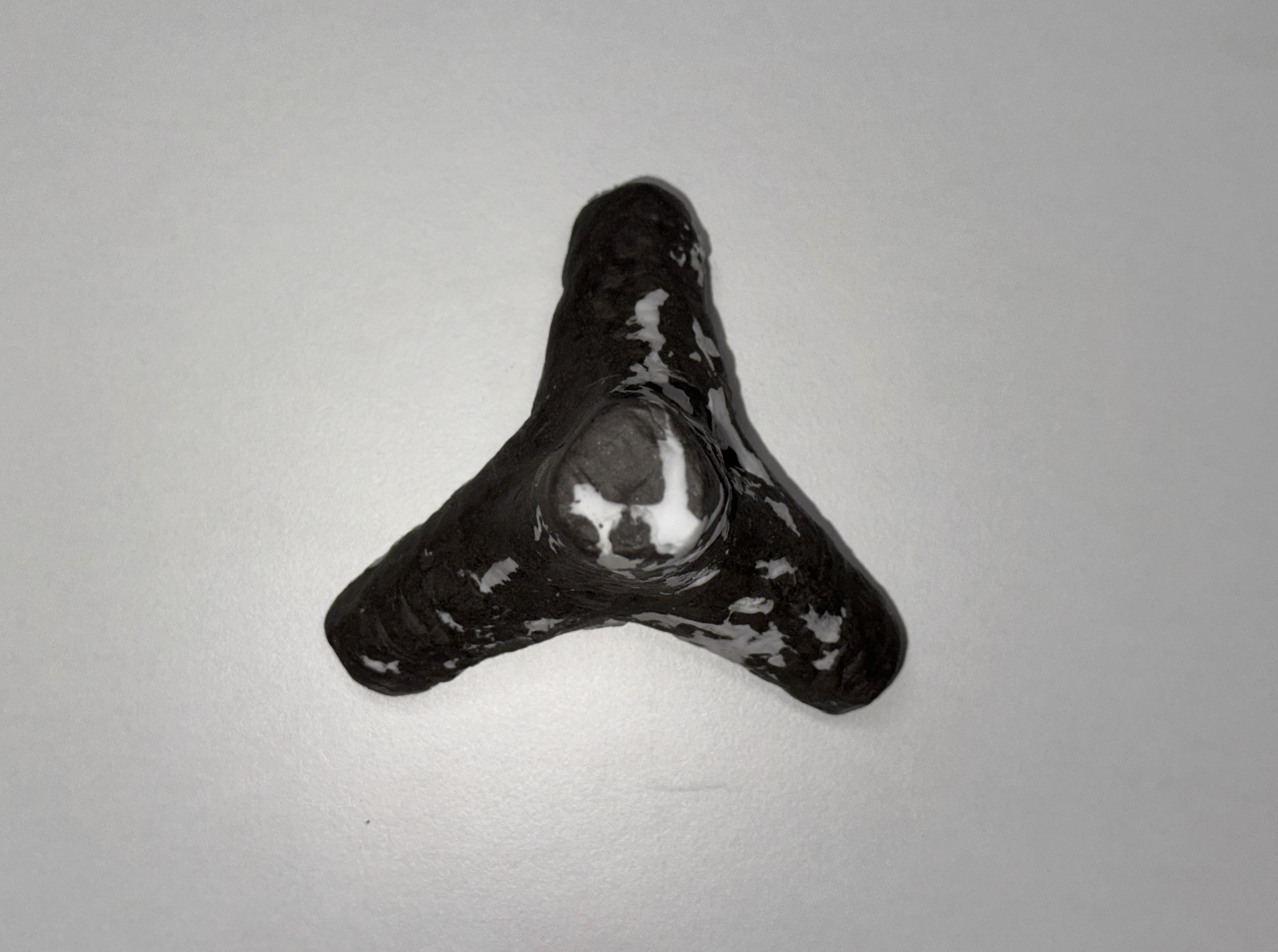
Sample RelationshipsThe difficulty of achieving symmetry by hand led me toward exploring alternative construction methods such as hollowing, multi-part assembly, and free-form shaping. It informed my later exploration :RB01– RB04.Set the foundation for my shift from “copying” toward “interpreting” engineered forms.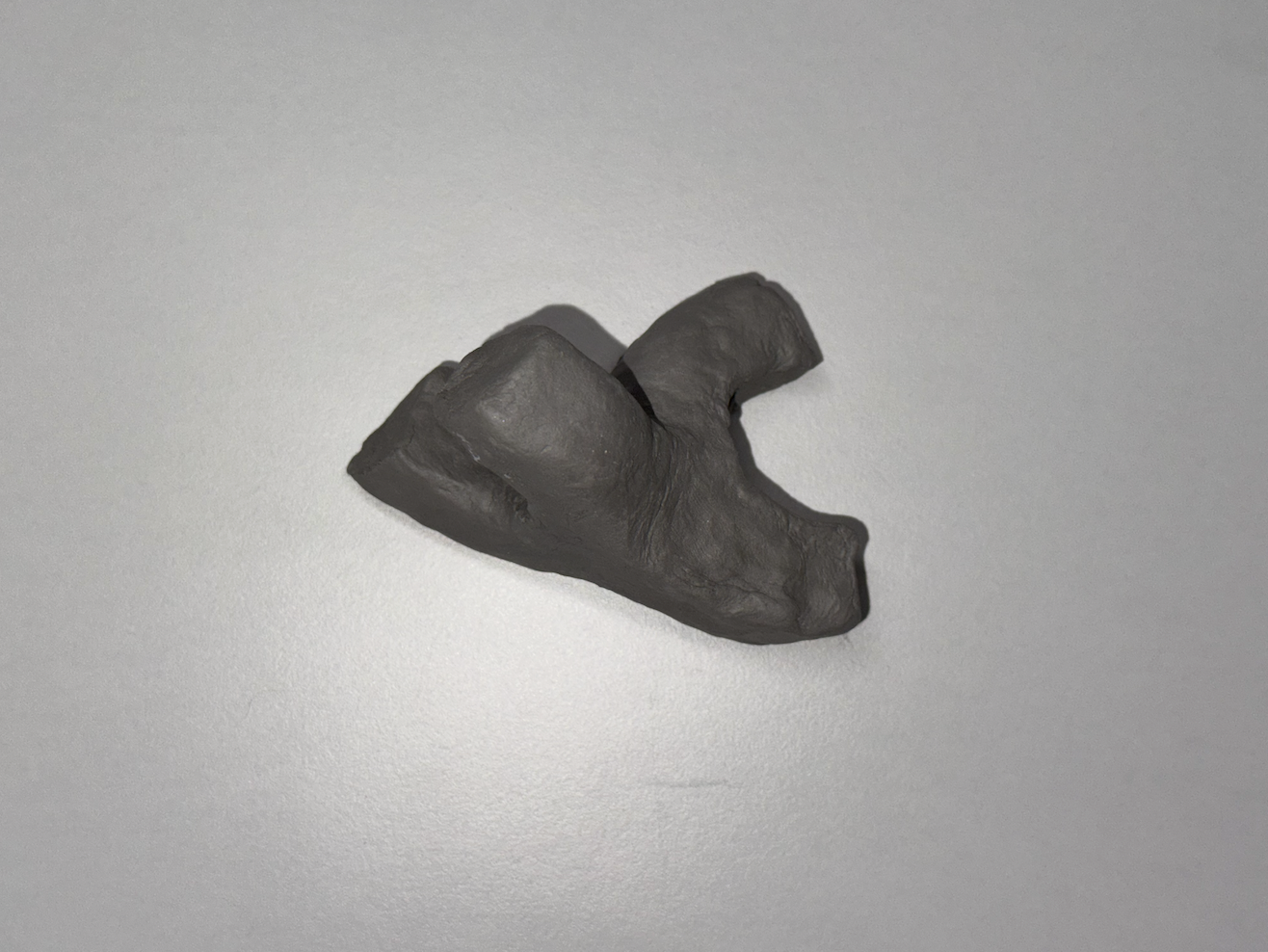
Sample RelationshipsThe connection method became a key area of exploration, influencing RB03 and RB04.I started noticing how gravity and drying behavior distort joints, which later pushed me toward experimenting with hollow structures (RB02).RB01 marks the moment where the research shifts from purely shape reproduction to studying how clay behaves when engineering-like structures are manually constructed.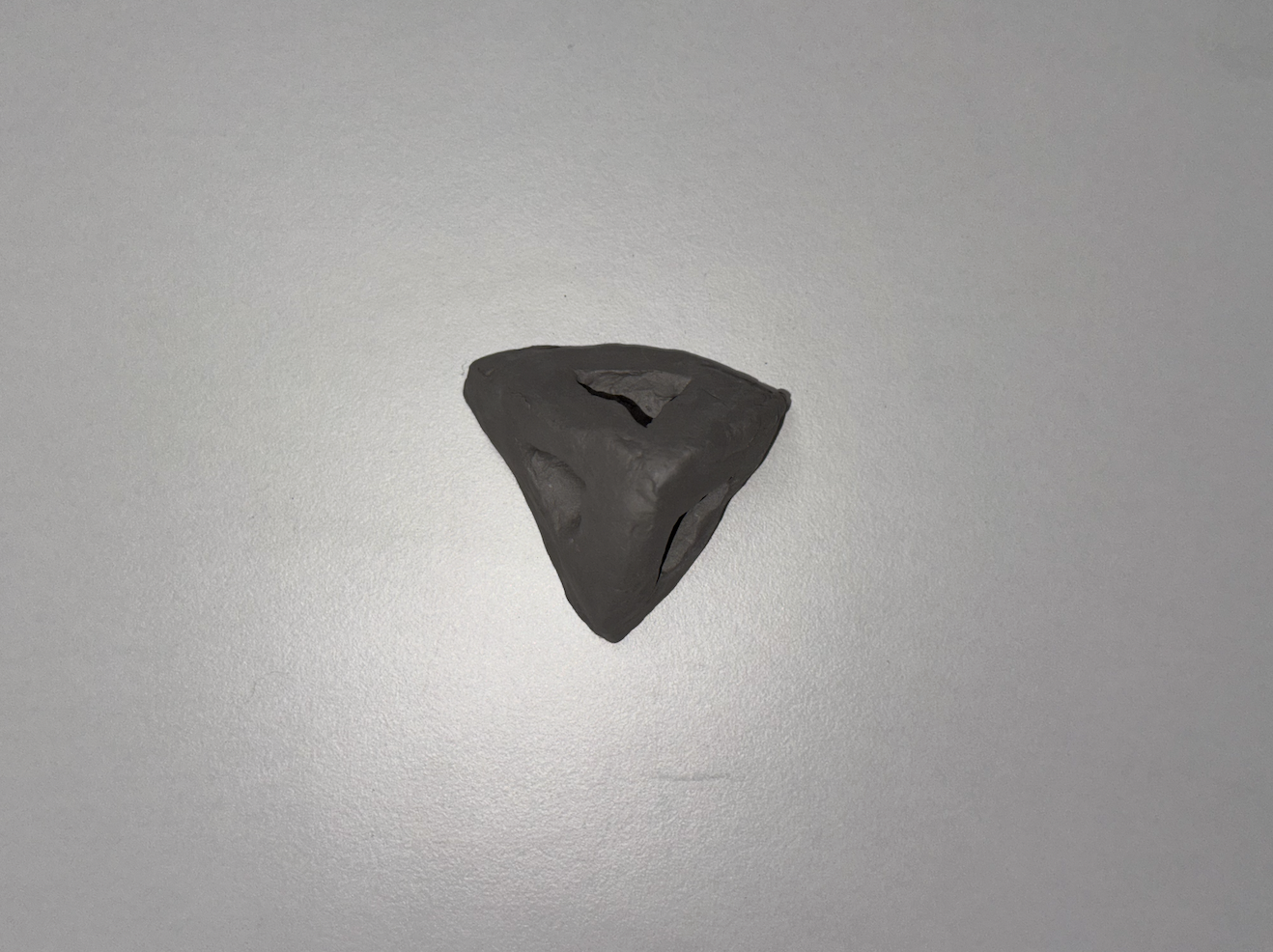
Sample RelationshipsIt directly responds to RB01’s struggle with weight, cracking, and support issues by exploring lightweight geometry. It opens a new pathway for future samples: instead of building from mass and carving down, I begin building from edges inward, a shift that influences my free-form attempts later.The repeated failures before successful construction also revealed how clay collapses when internal support is insufficient, which reshaped how I planned the next pieces (especially RB04).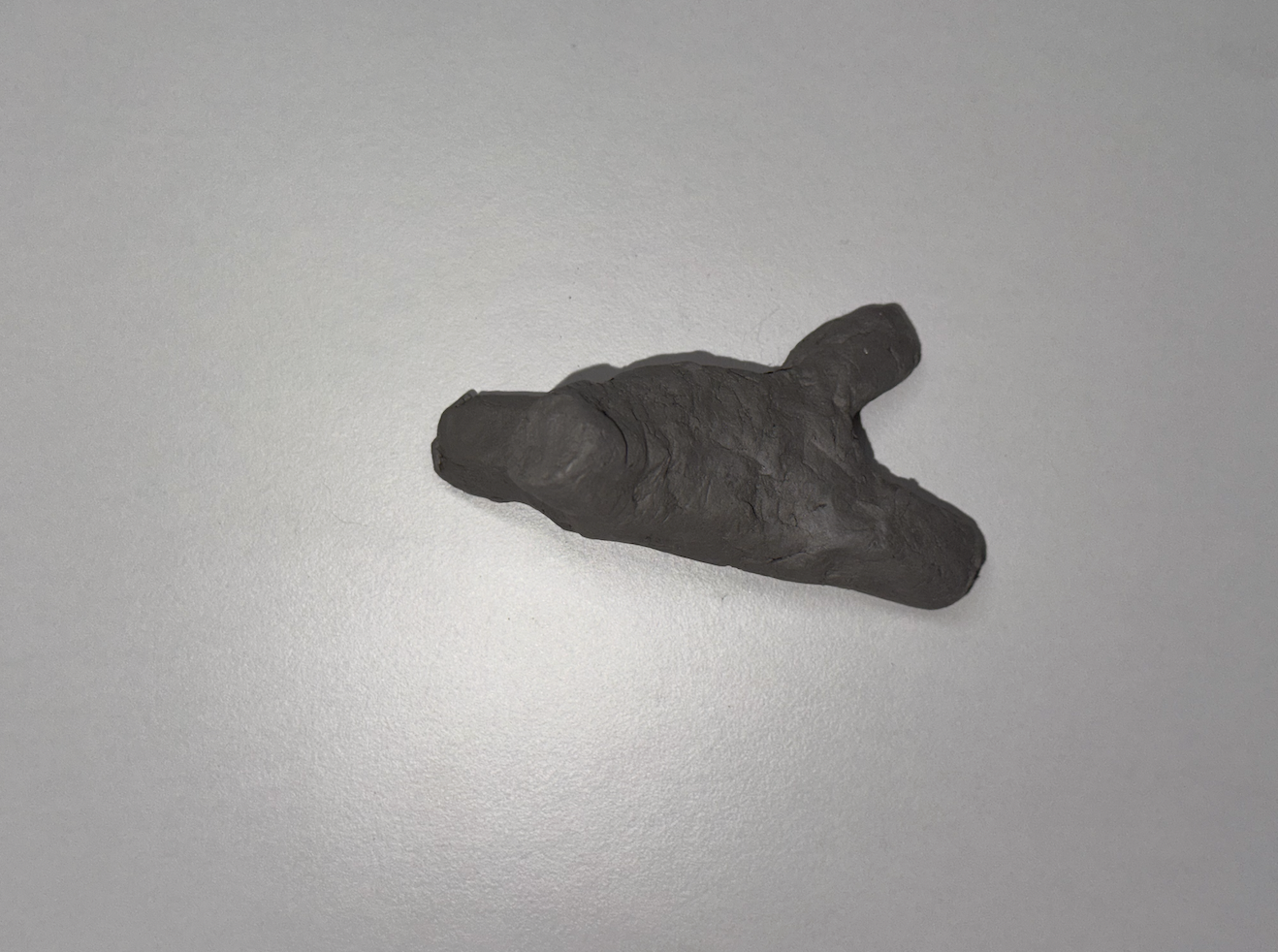
Sample RelationshipsCompared to RB01, RB03 shows a loosening of the “exact reproduction” expectation, which directly leads into RB04’s beginning of free-making.RB03 is the bridge between referencing and interpreting.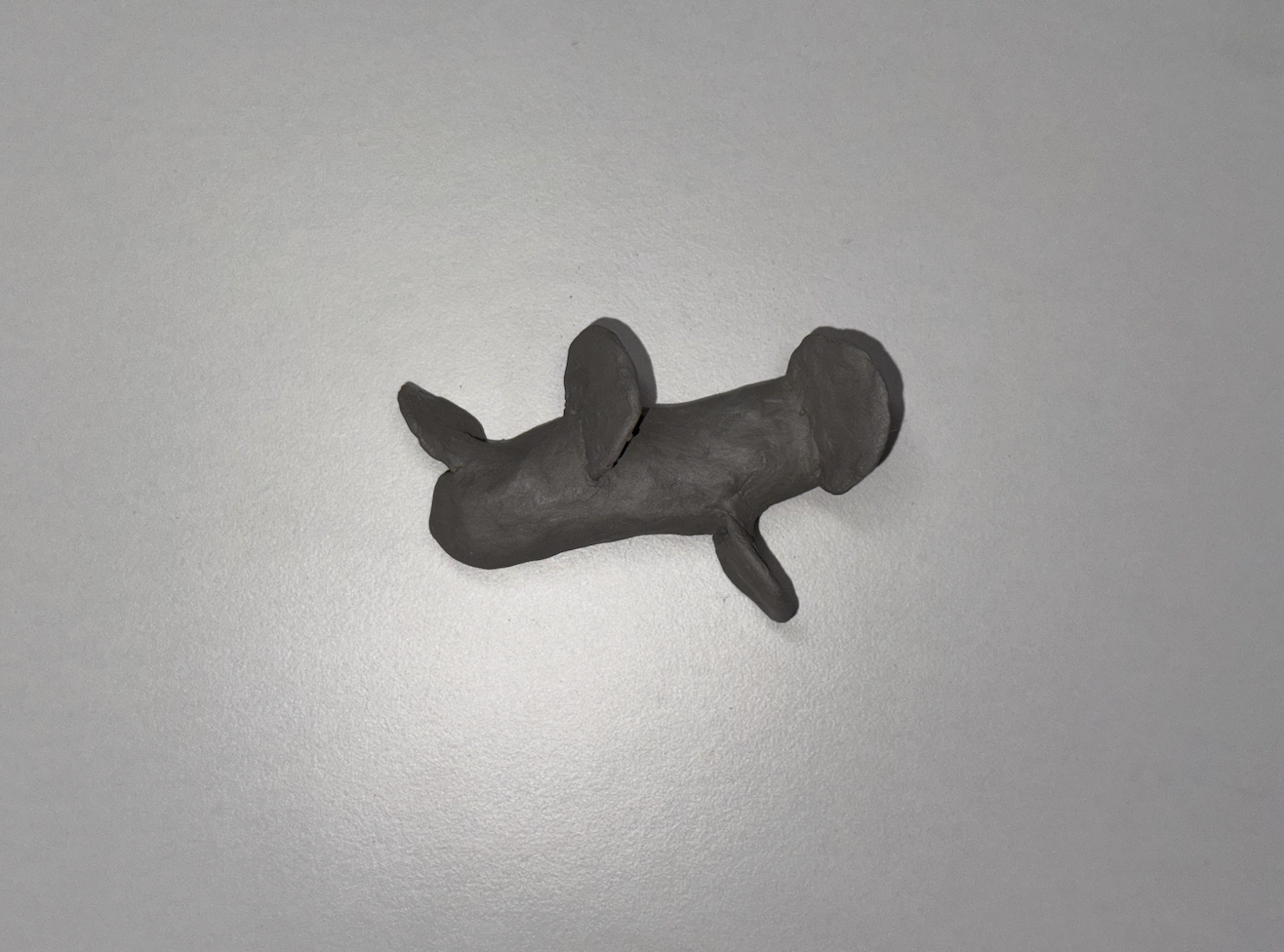
Sample RelationshipsIt reflects and responds to RB03’s partial loosening from strict reference.RB04 is where the research shifts from “How do I copy this object?”
to “What can this material teach me about structure?”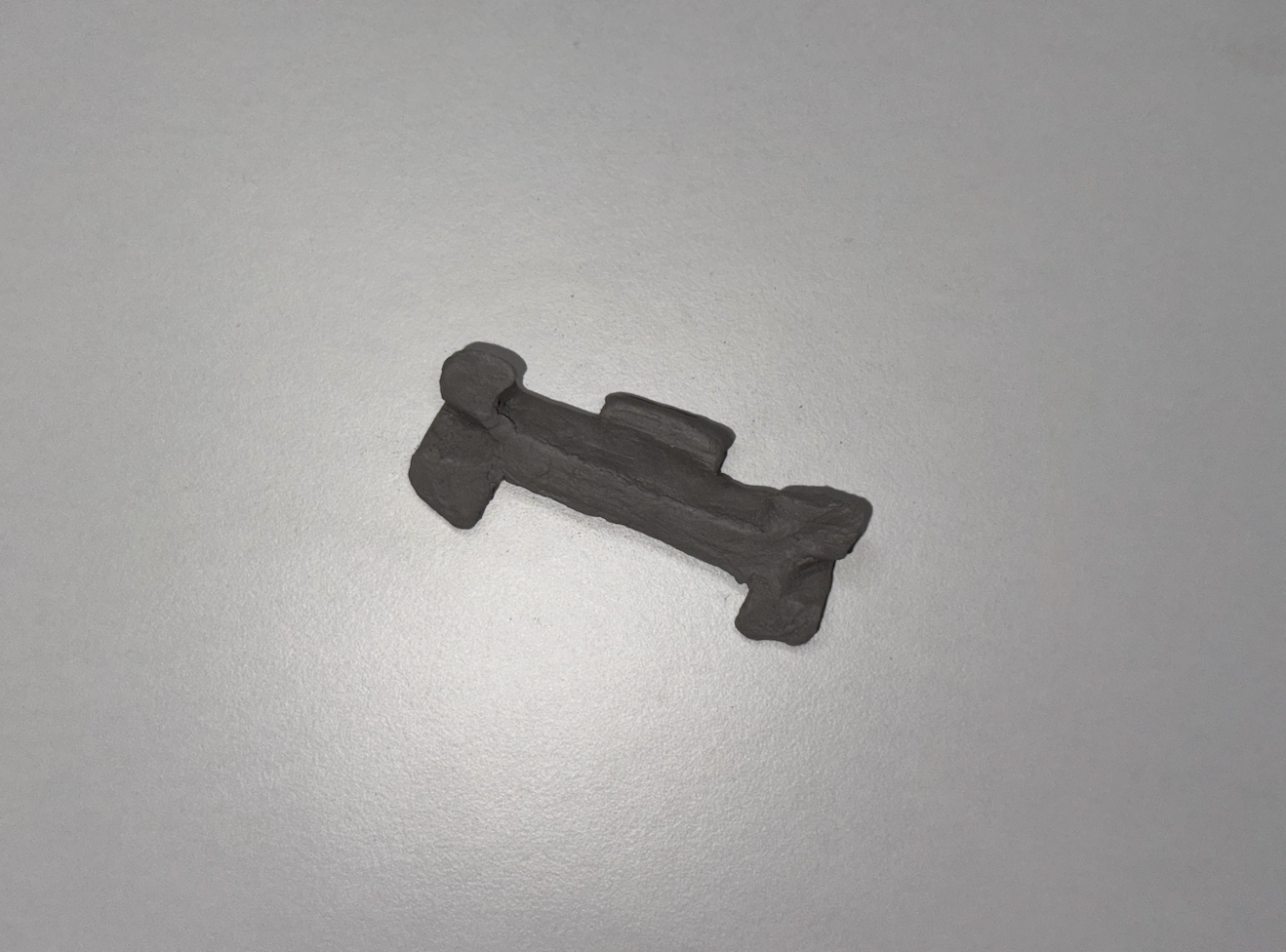
Sample RelationshipsRB05 serves as the bridge between strict reproduction and fully free sculpting, preparing the groundwork for RB06’s holistic single-form construction.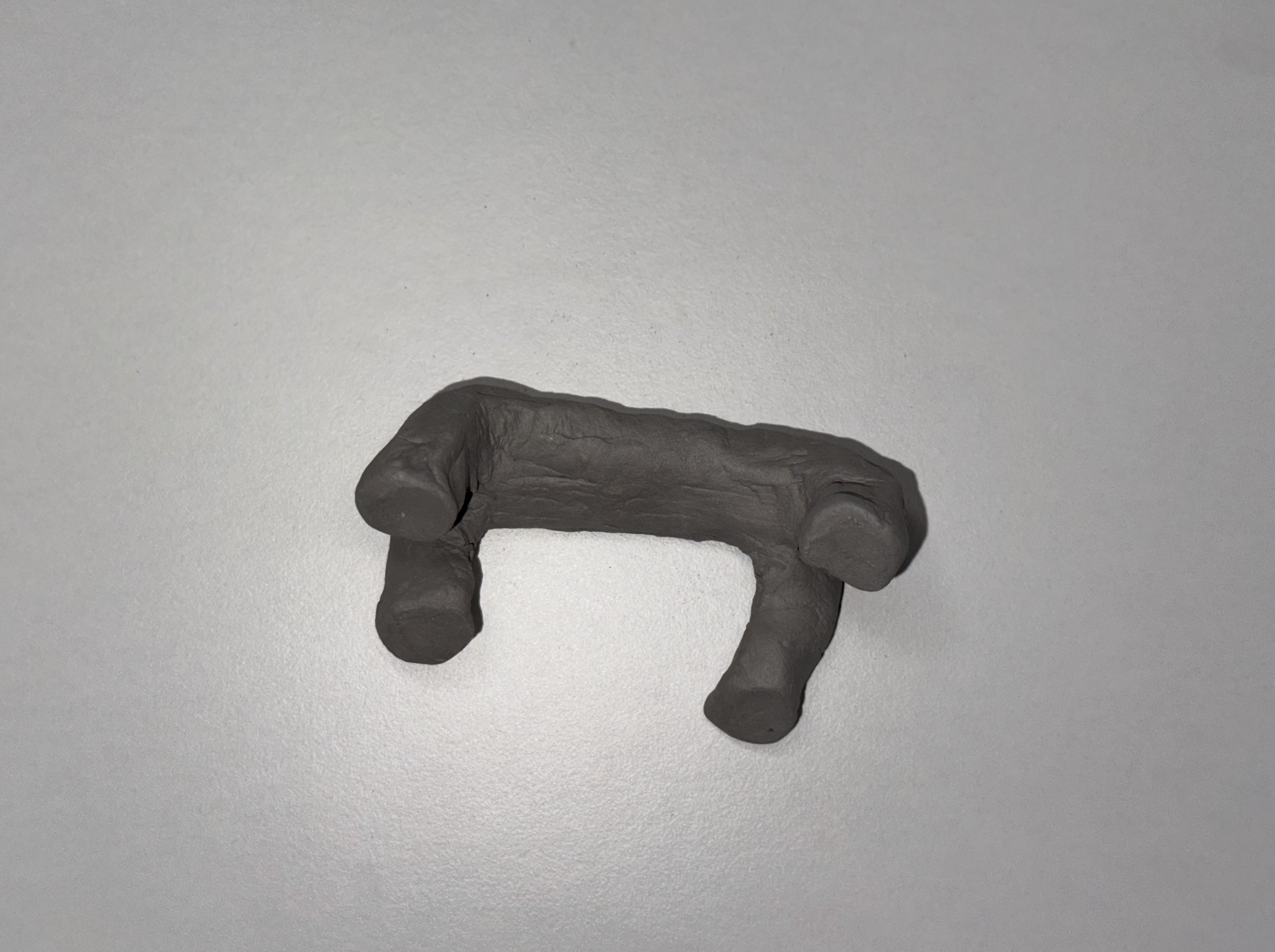
Sample RelationshipsIt opens the conceptual space for the next stage (Round 03), where a new material, macrame enters the research through the same question: What happens when a material dictates form?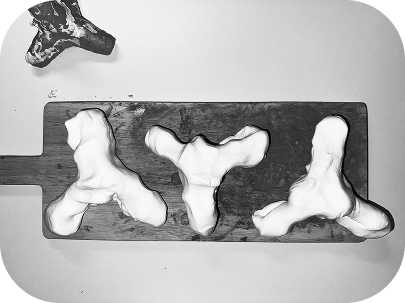
2. Shape all three clay pieces into their basic forms at the same time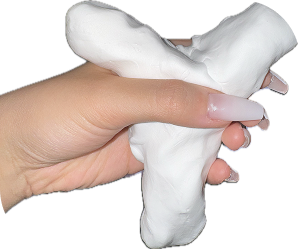
⬆️ How to Hold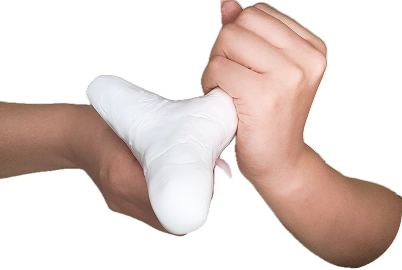
⬆️ How to Hold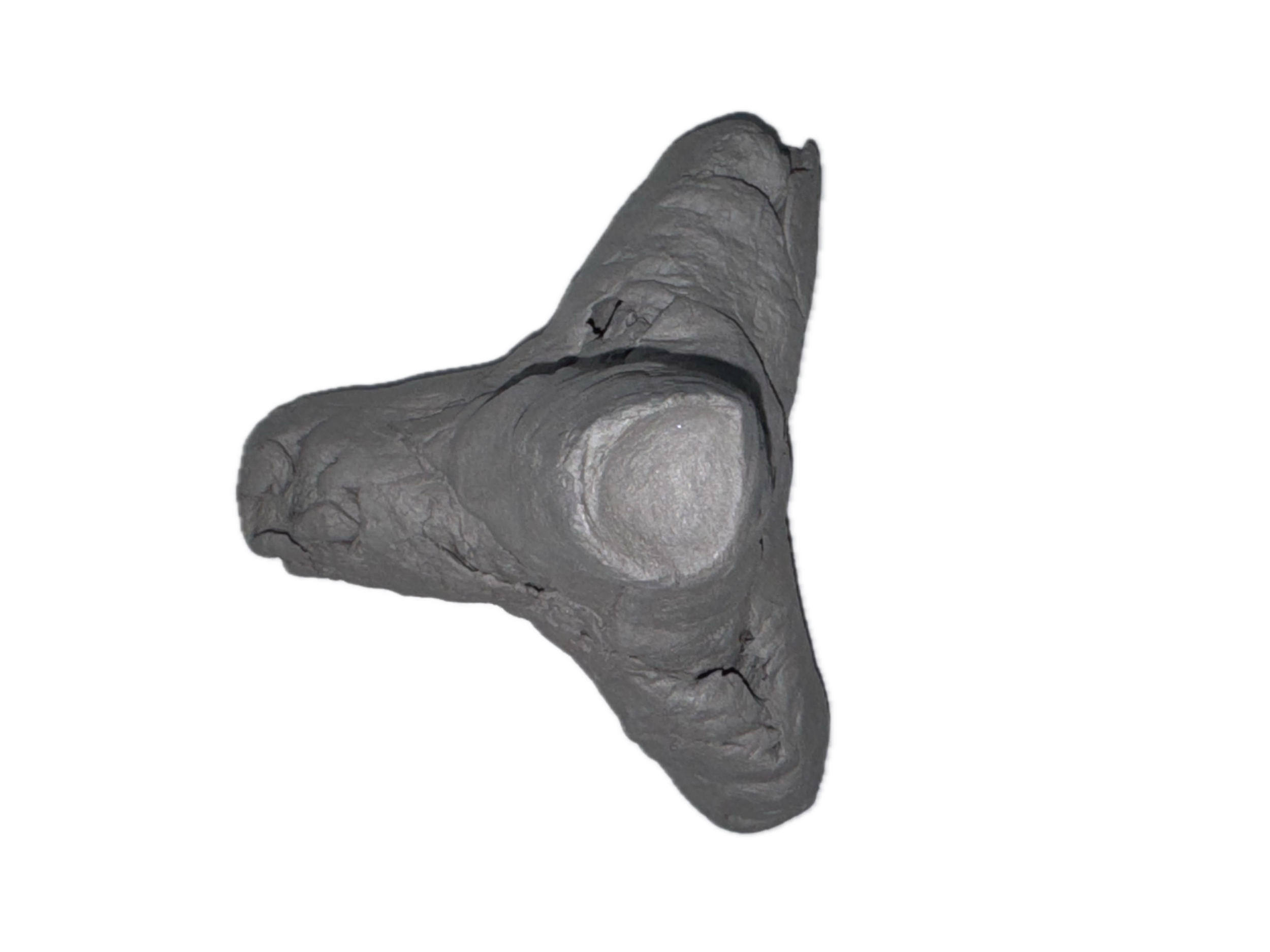

Sample RelationshipsTetrapod 01–06 are a controlled set I produced using the same mold, allowing differences to emerge through pressure, timing, and hand movement rather than through changes in form.
Although the overall geometry remains consistent, each piece records subtle variations in edge softness, surface compression, and internal density.
Sample RelationshipsSample RelationshipsCM04–06 extend the integration experiments from CM01–03 but introduce a new variable: material brittleness.A conceptual echo of RB06, where material intelligence began to take precedence over strict reproduction.Making Attempts:1st attempt:
I tried to make a mold by wrapping clay around the outside, but it didn't work.2nd attempt:
I returned to the pinching method and attempted to quantify and standardize each step of the operation.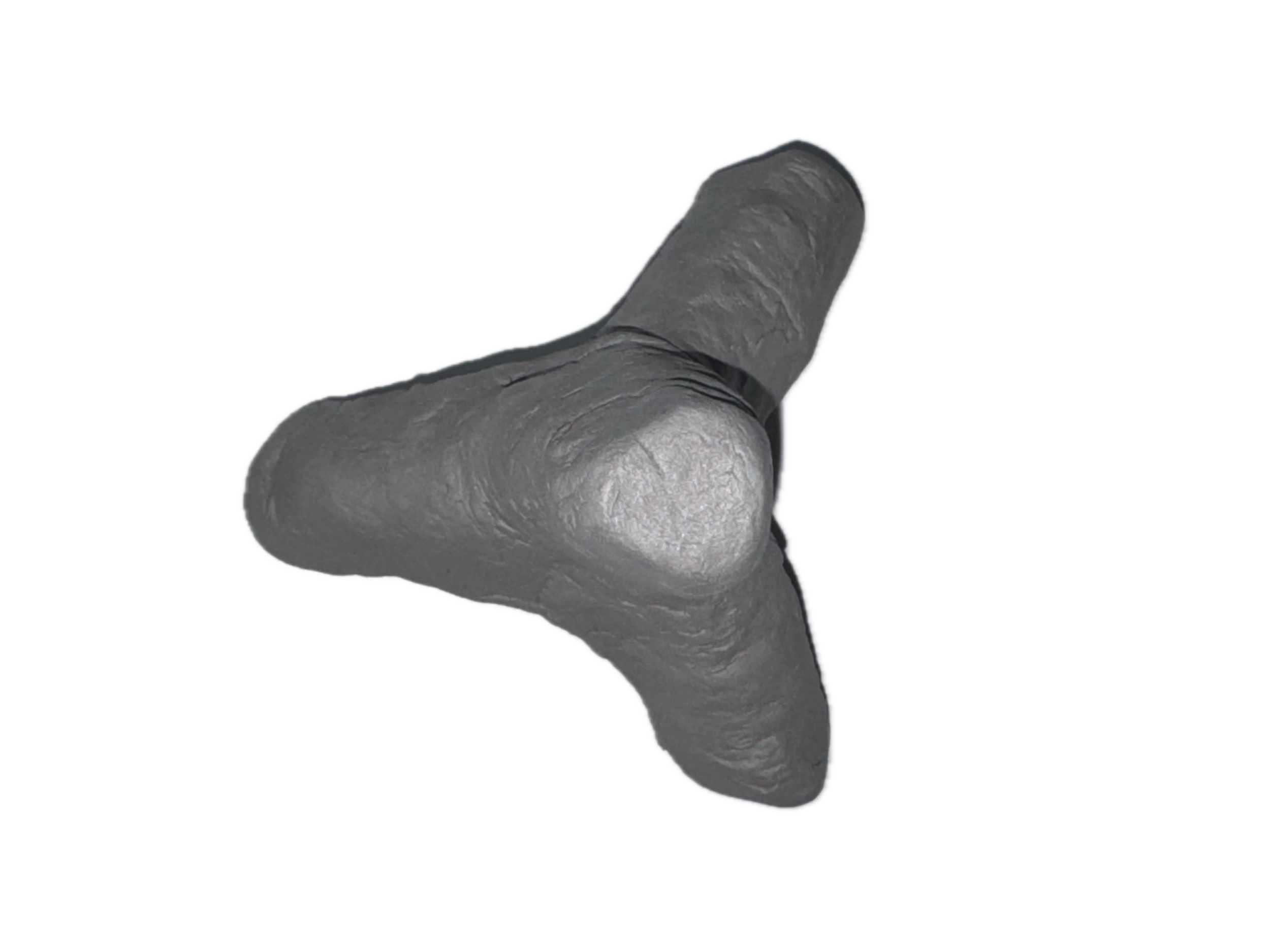
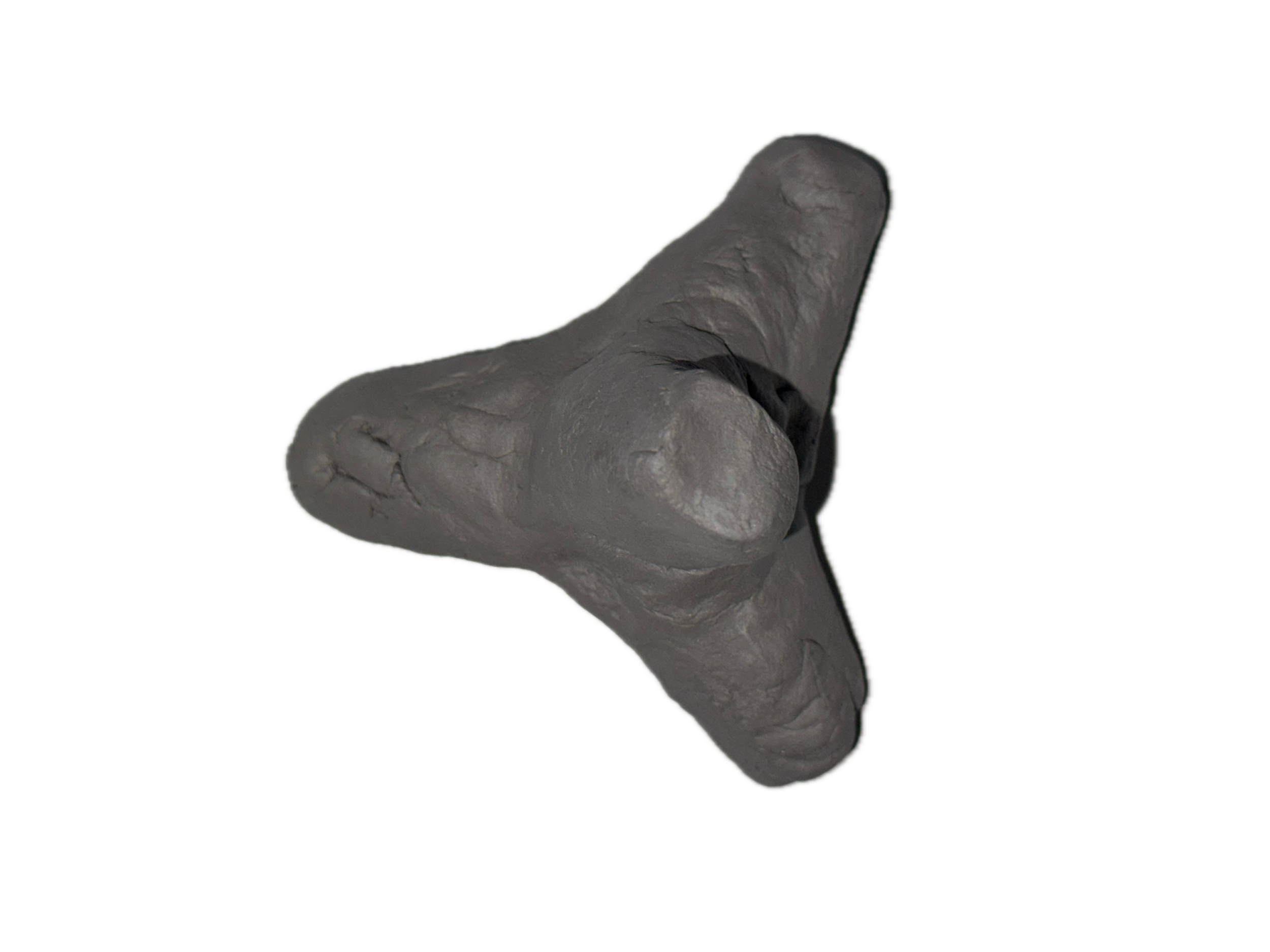
Name: Tetrapod 01 - 06Date created: Dec 08,2025Making duration: 15 mins eachMaterial: Modeling Clay
Technique: MoldingTags: #StandardizedProduction #SingleMaterialName: Tetrapod 07Date created: Dec 07, 2025Making duration: 30 minsMaterial: Rinse
Technique: CastingTags: #StandardizedProduction #SingleMaterialSample Relationships It sets up the experimental logic later used in Knot 04–07: controlling variables such as density, spacing, and tension.Knot 01–03 functions as the entry point into soft-material logic.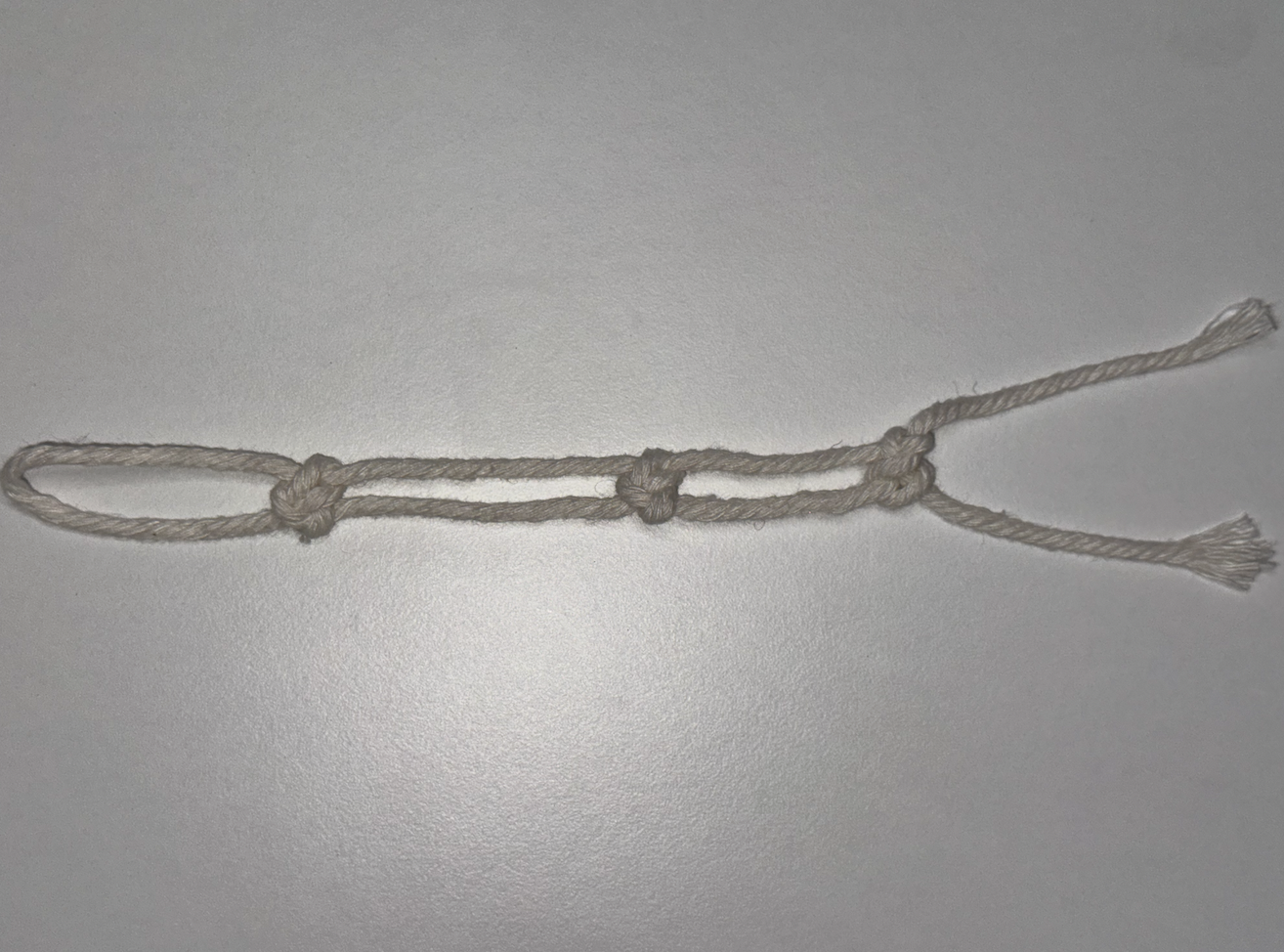
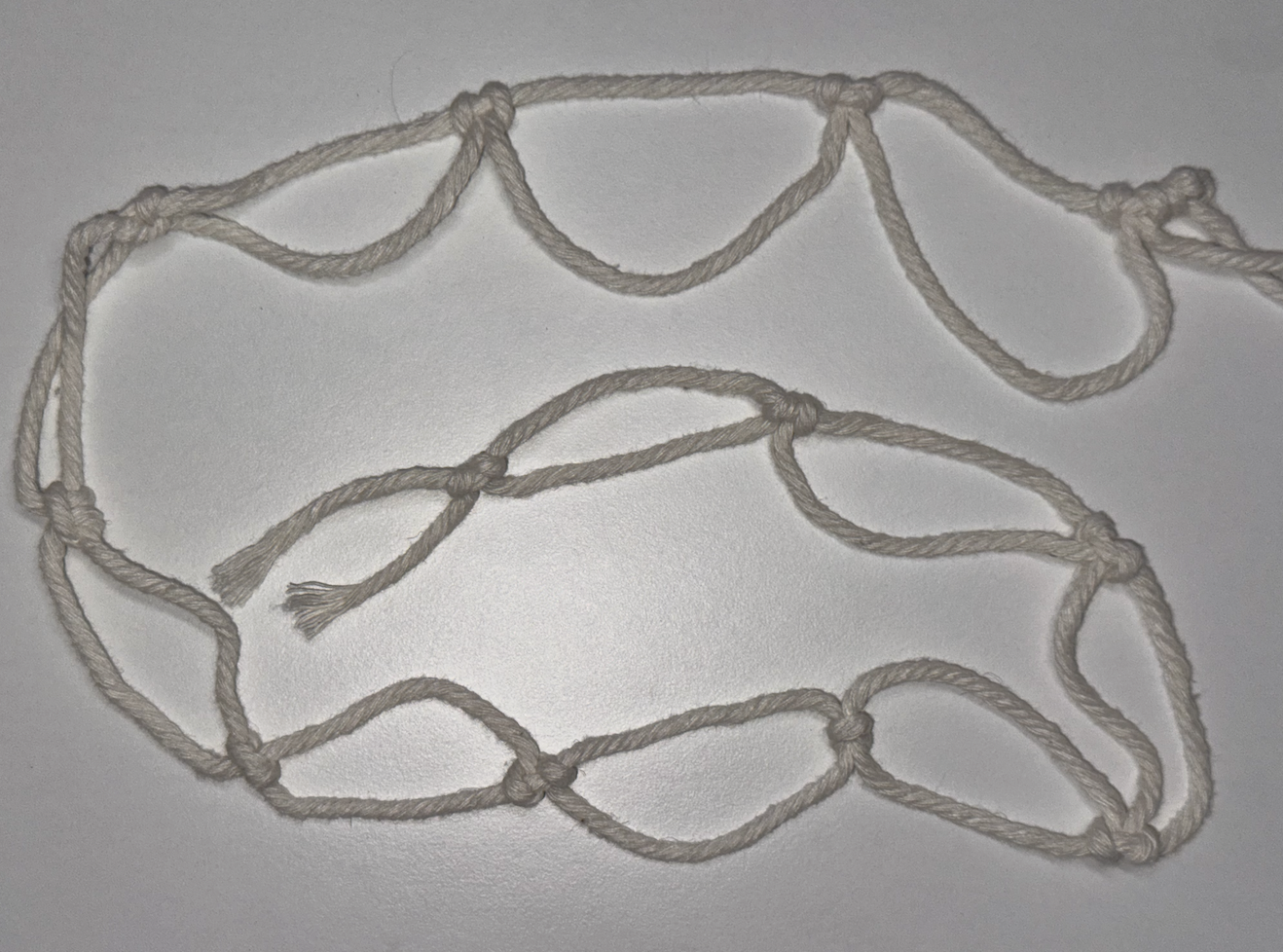
Sample RelationshipsKnot 04 and Knot 05 serve as the control group and experimental group;
Knot 06 and Knot 07 serve as the control group and experimental group;A conceptual shift toward the idea of the knot as a “unit of information,” which becomes foundational for the macramé structures in Round 04.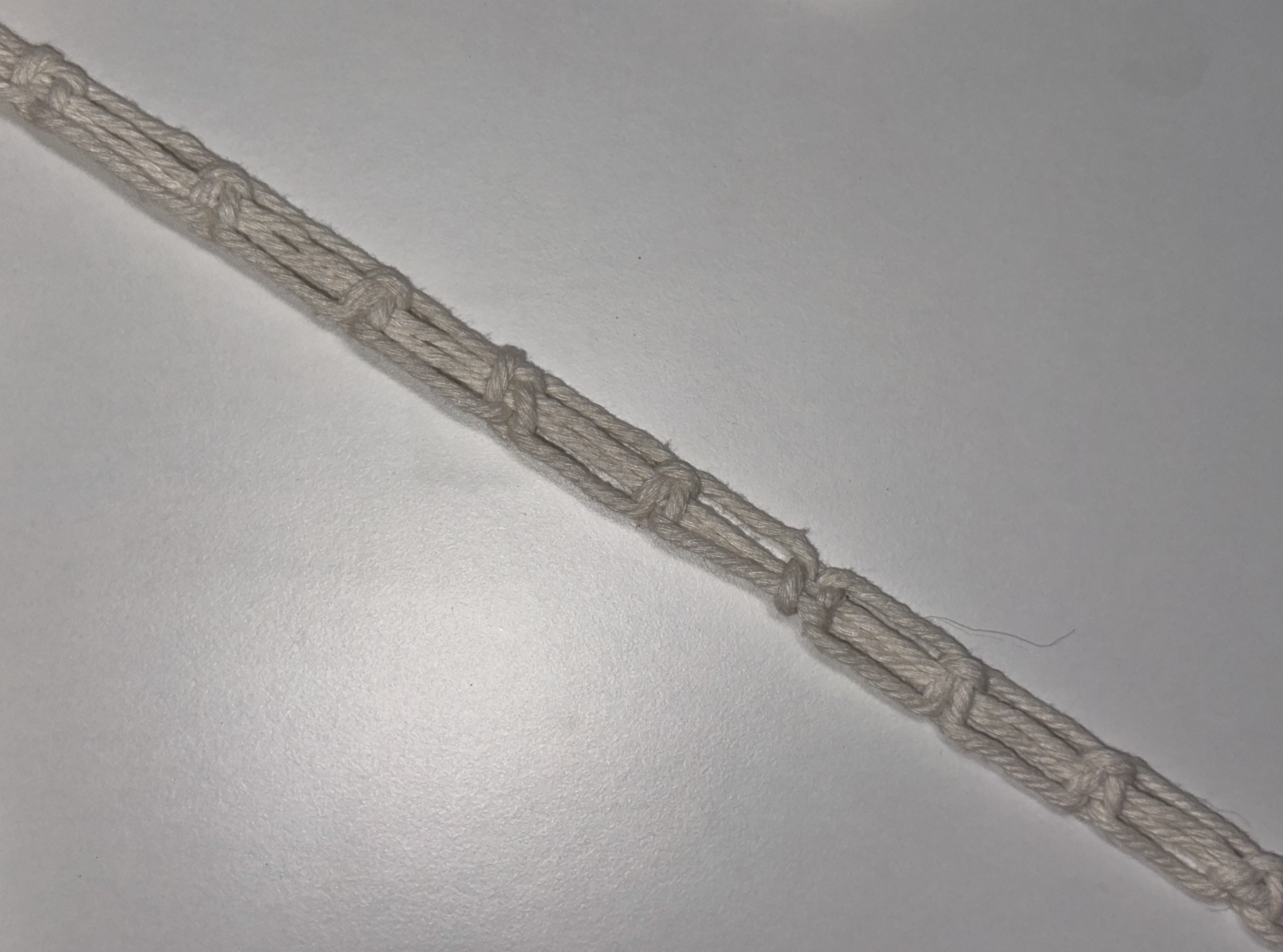
Sample RelationshipsIt scales up from individual knots to pattern logic, the same way RB01– RB04 scaled up from parts to whole forms.It emphasizes precision and control, a contrast to RB06’s free-form clay approach.It establishes the foundation for fiber-based experimentation in FT01– 03.Sample RelationshipsFT01 shares same tutorial with Macrame 03 and directly parallels Macrame 03, functioning as a material comparison study.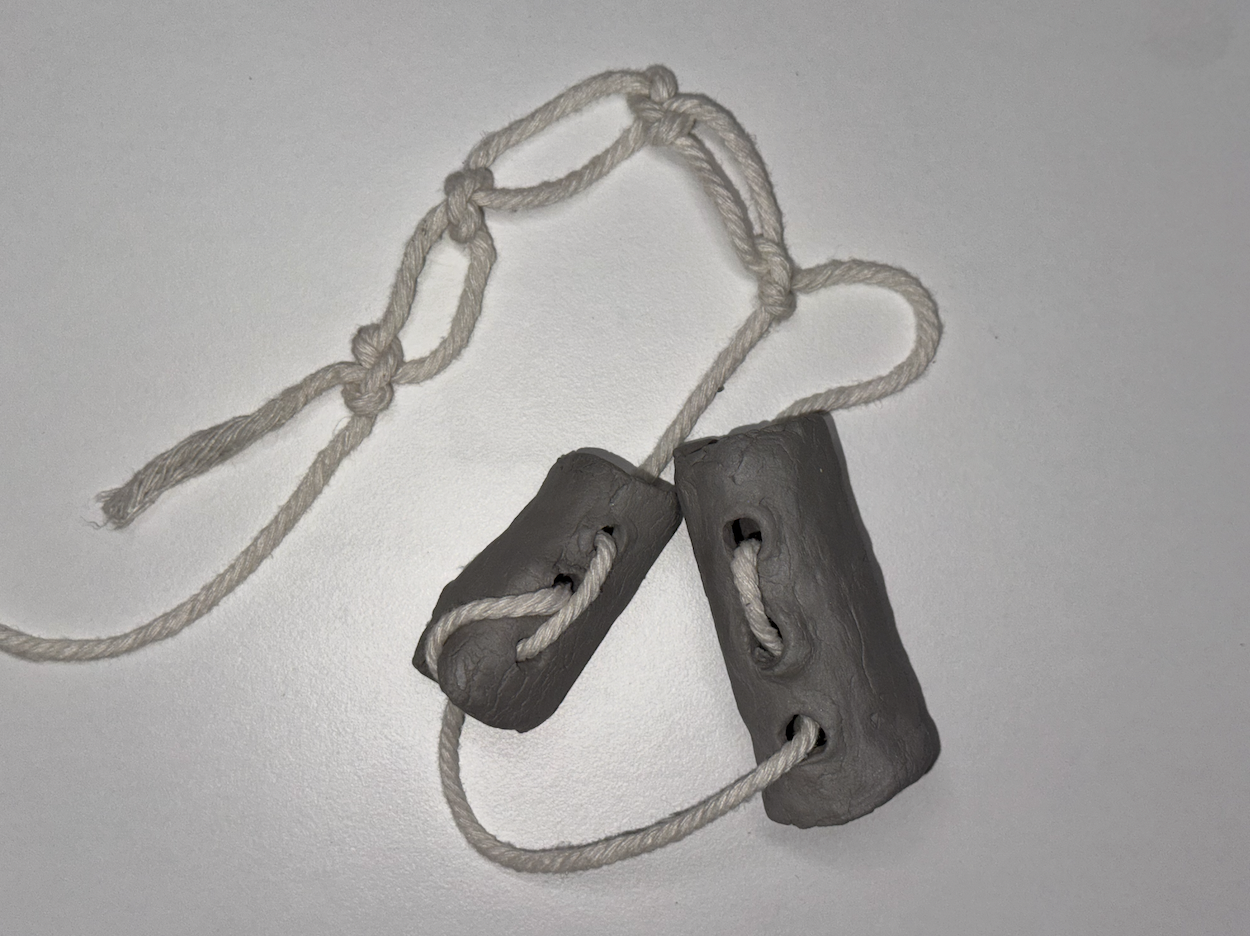
Sample RelationshipsThis integrative approach sets up the even more experimental methods of CM04–06, especially with air-dry clay.CM01–03 are the first demonstration of multi-material interaction in the project.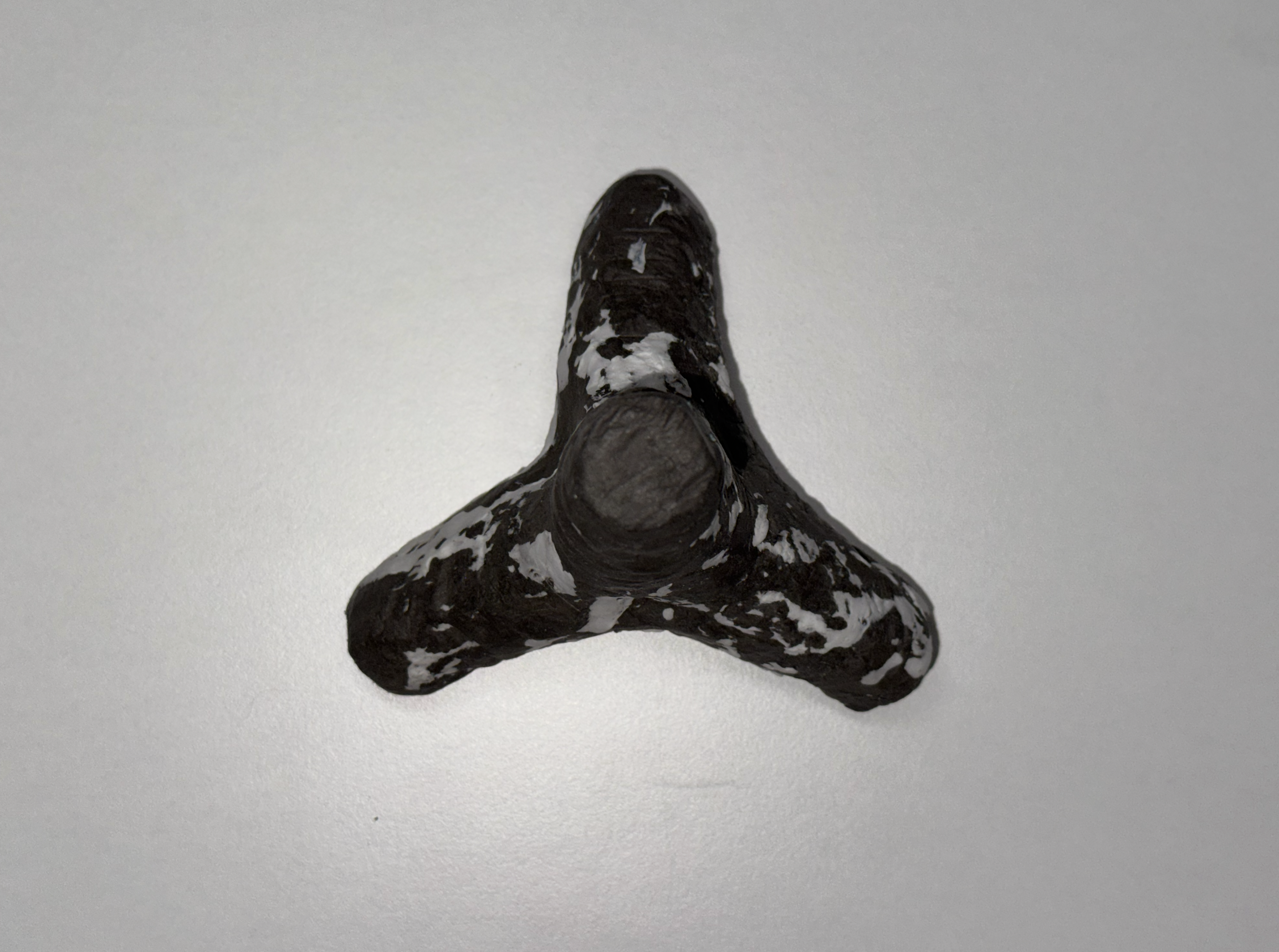
MatadataThis is the first clay piece I've ever made, so I named it ‘00.’ I spent a long time getting familiar with the material as I tried to build up a specific shape entirely by hand. What’s particularly important is that it should look the same from every angle. I find the process fascinating because I’m creating a highly engineered object entirely by hand, without relying on the original casting or manufacturing methods when every shape is built and refined by hands.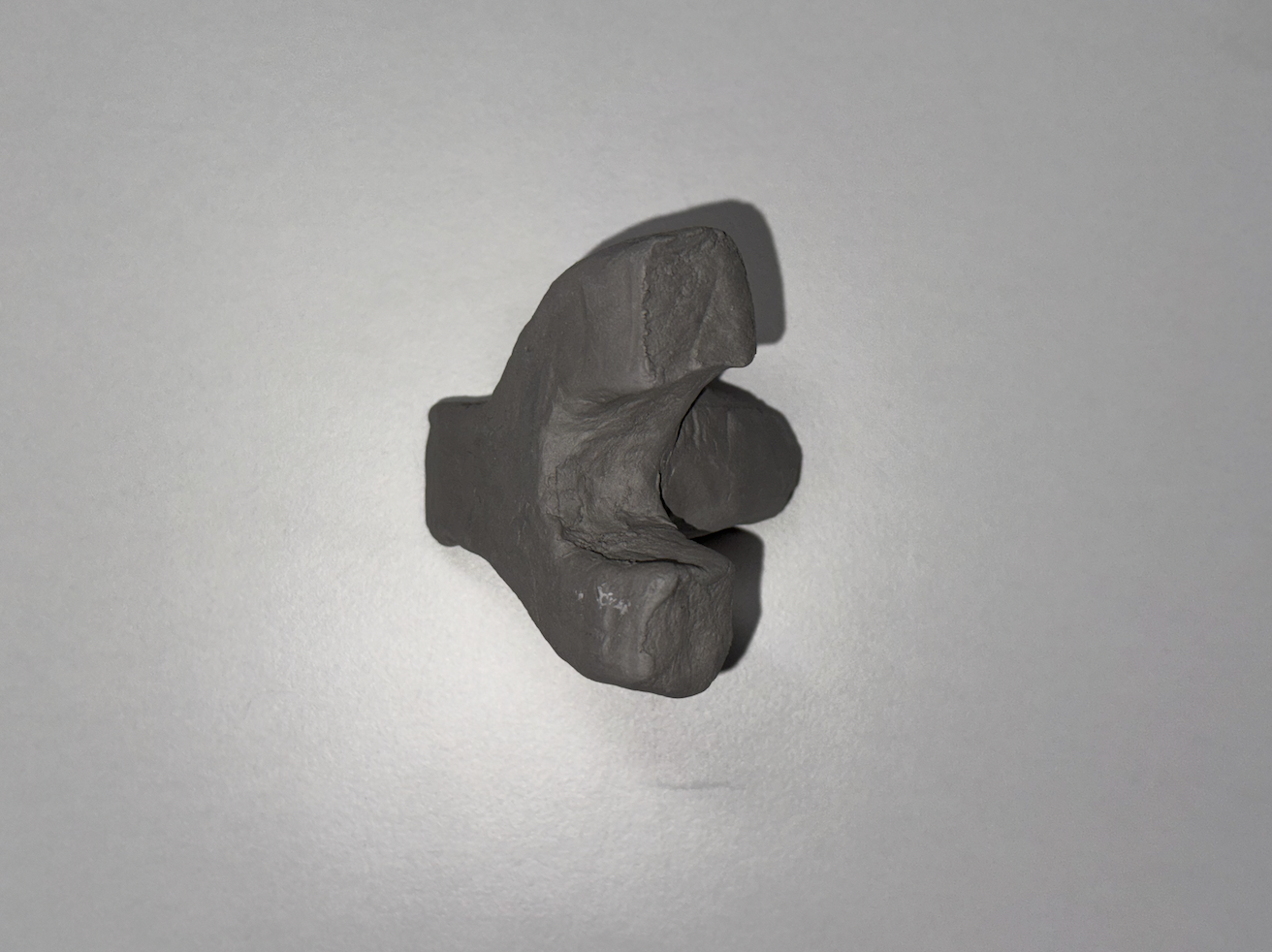
MatadataThis was the second clay block I made that day. I made the two main parts first and then tried to connect them. From here I move on to more complex shapes. At the same time, I found that I needed to pay attention to how to maintain the shape during the drying process, taking into account gravity, and also paying attention to the curved surface not to crack.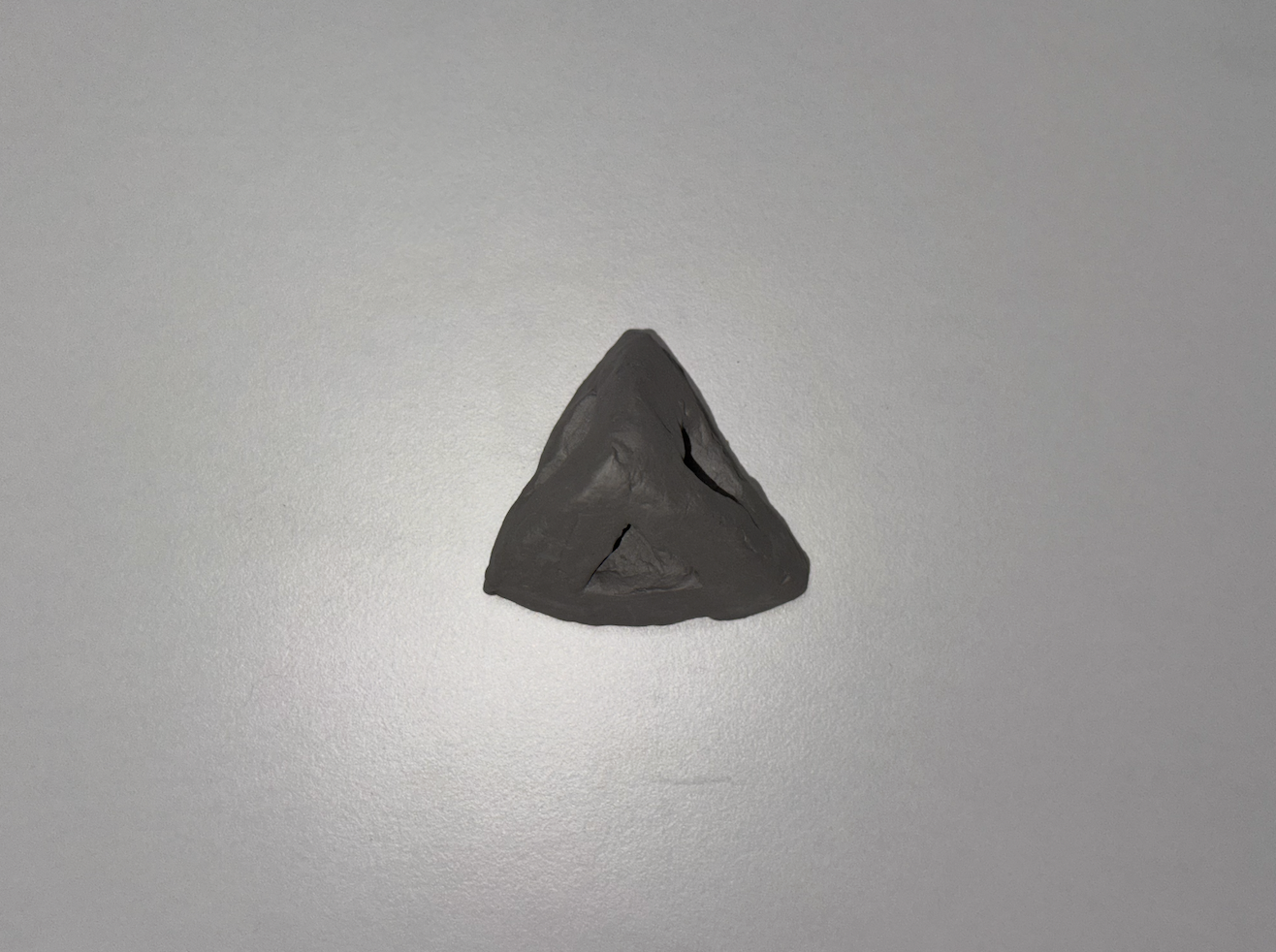
MatadataWhen making this clay block, I tried to construct this three-dimensional shape by hollowing out the center. It was very challenging and it took me three attempts before I succeeded.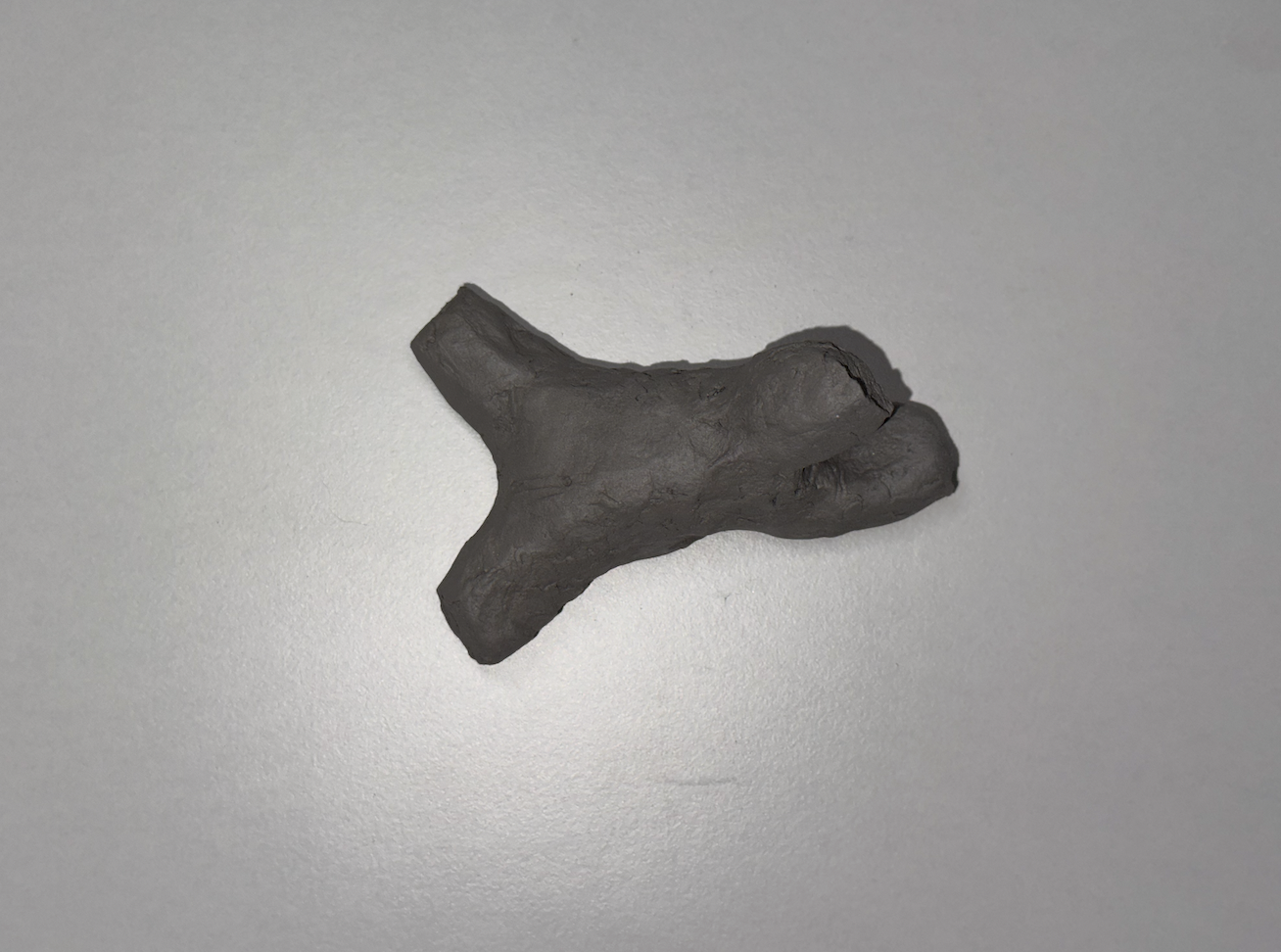
MatadataHere I once again challenged the production method of making the main parts first and then connecting them, but this time using different shapes as references.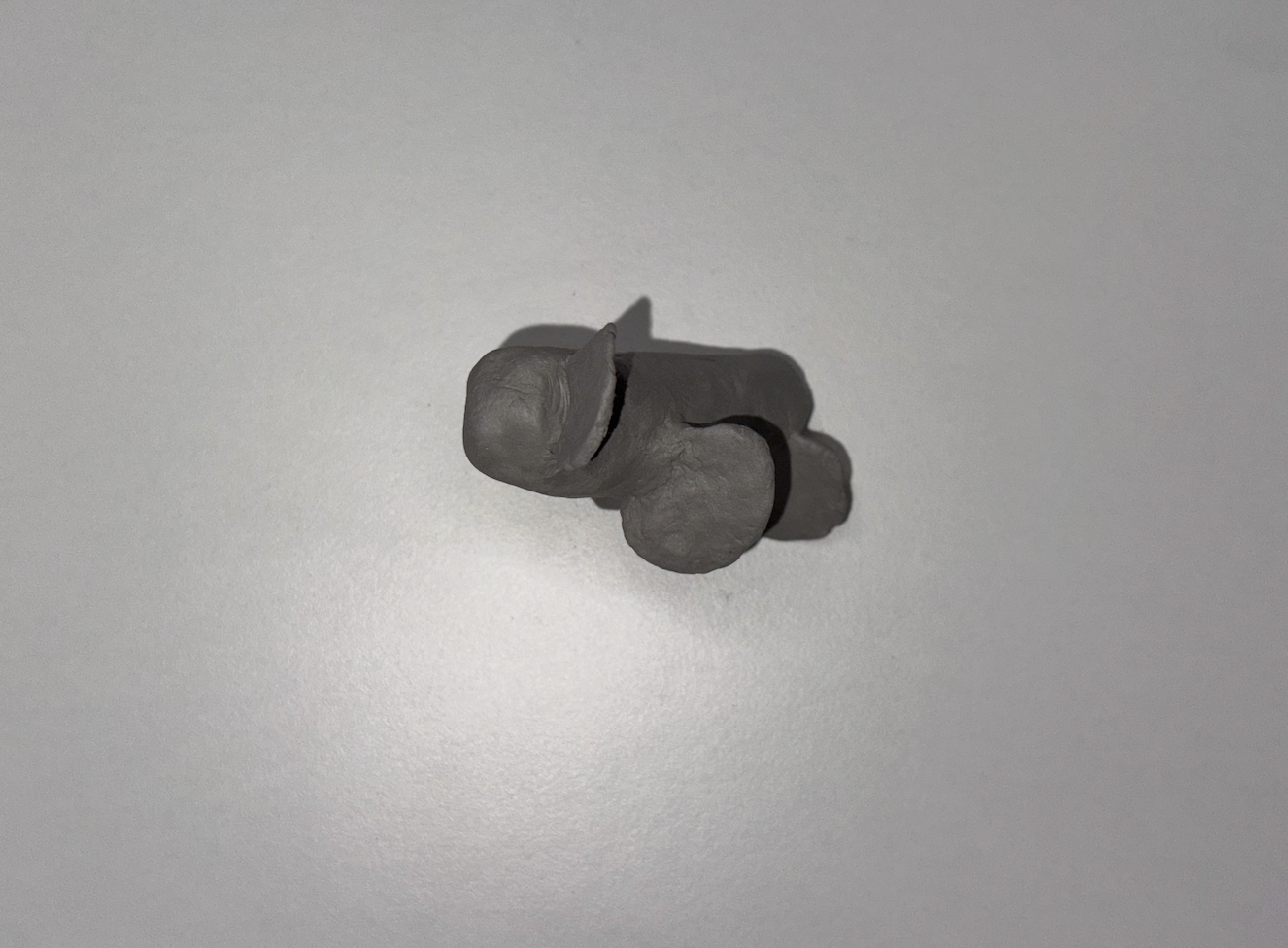
MatadataThis is the third one I’ve made in this batch. I realized that I couldn't completely reproduce the reference image by hand. So I gradually started experimenting with free making.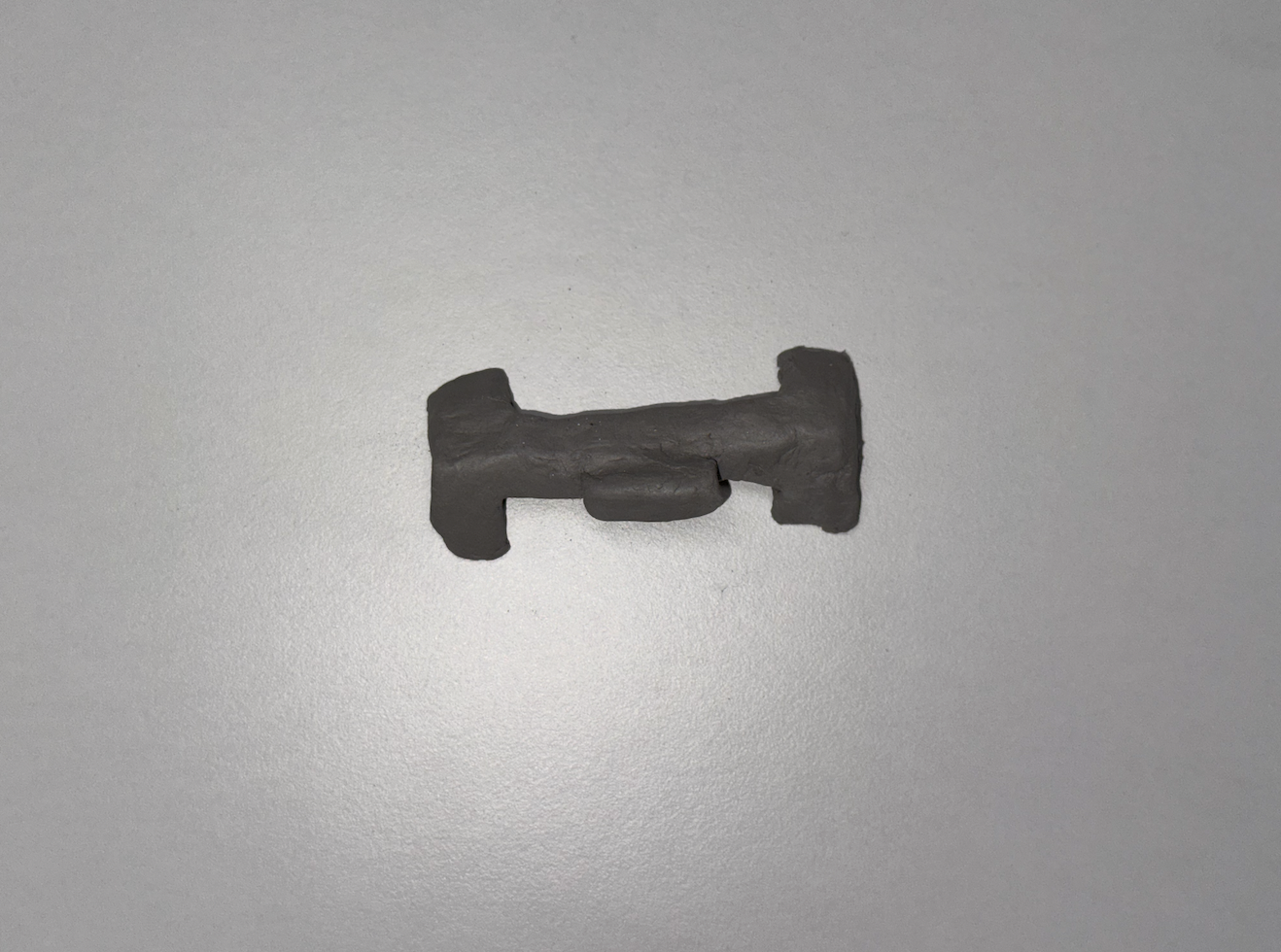
MatadataThis is the first transformation based on reference pictures after I started to add free creative elements.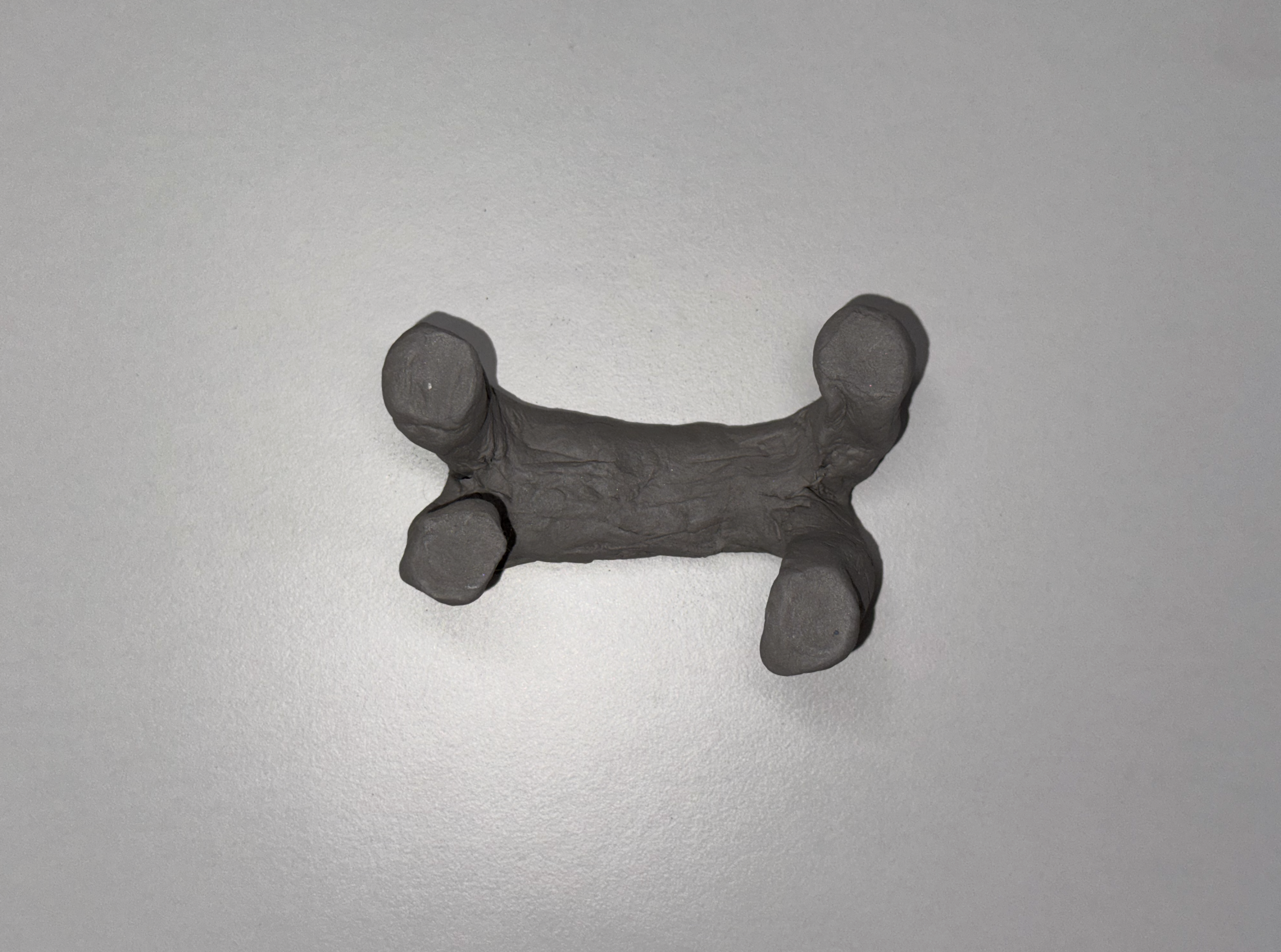
MatadataThis is the fifth piece I've made in this batch. It's my first clay sculpture created entirely without assembly or hollowing techniques. I shaped it entirely by hand. I'm trying to practice holistic sculpting thinking.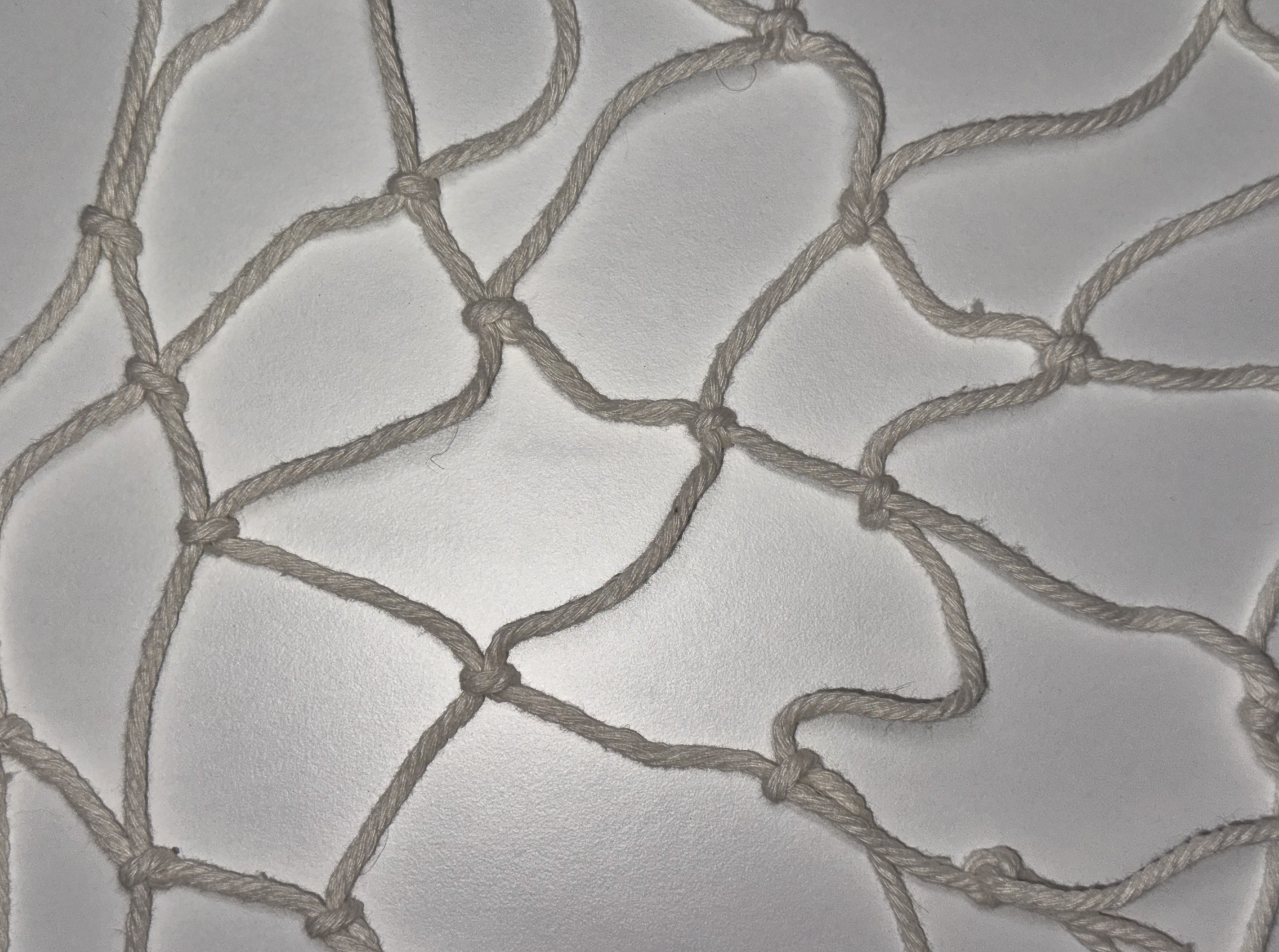
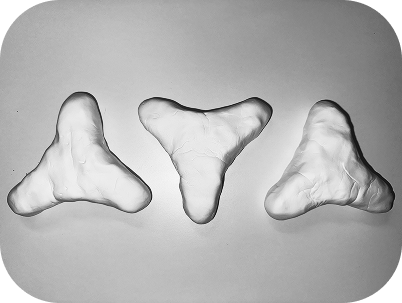
3. Use a consistent hand-holding technique as my standard to refine the shape of each clay piece; (10 mins each)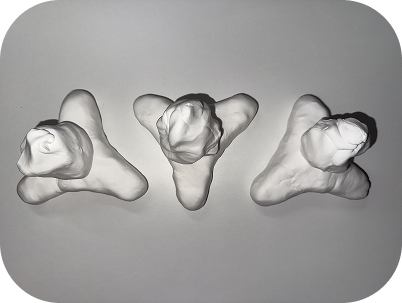
4. Add three equal-weight clay pieces (approximately 20g each) to the center of each base piece to form the final section; (10 mins each)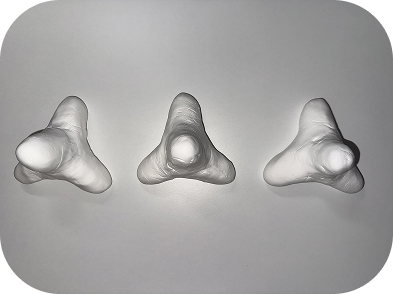
5. Use a consistent hand-holding technique as the standard to refine the shape of each clay piece; Complete. (15 mins each)Step 02: Thinking About Tools Making Process Documentation Video(Making: 30mins; Drying & Demolding: 8hours)Step 03: Making With The Tool - Modeling ClayMaking Process Documentation Video(Making: 20mins for each without drying)Round 07: Mass Production Stage
MatadataI experimented with air-dry clay, a relatively lightweight material that becomes more brittle and prone to cracking once dried. These natural fracture lines differ entirely from those I intentionally create. I also discovered that knotting serves not only as a means of connection but also introduces additional lines and can become an integral part of the work. CM05 exemplifies this well—its clay's natural fractures and arrangement evoke the shape of a human uterus.Summary:Key Steps in Standardized Production: Weighing - Setting - RefiningMost of the time was spent on refining.Once I have samples and standards, the healing effect of doing crafts seems to diminish.
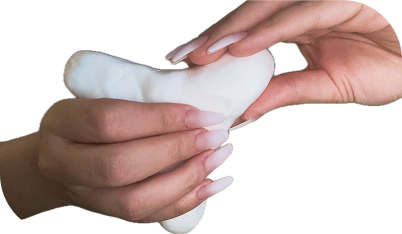
⬆️ Rotate clockwise to work each sectionStep 04: Making With The Tool - RinseMaking Process Documentation Video(Making: 30 mins without drying)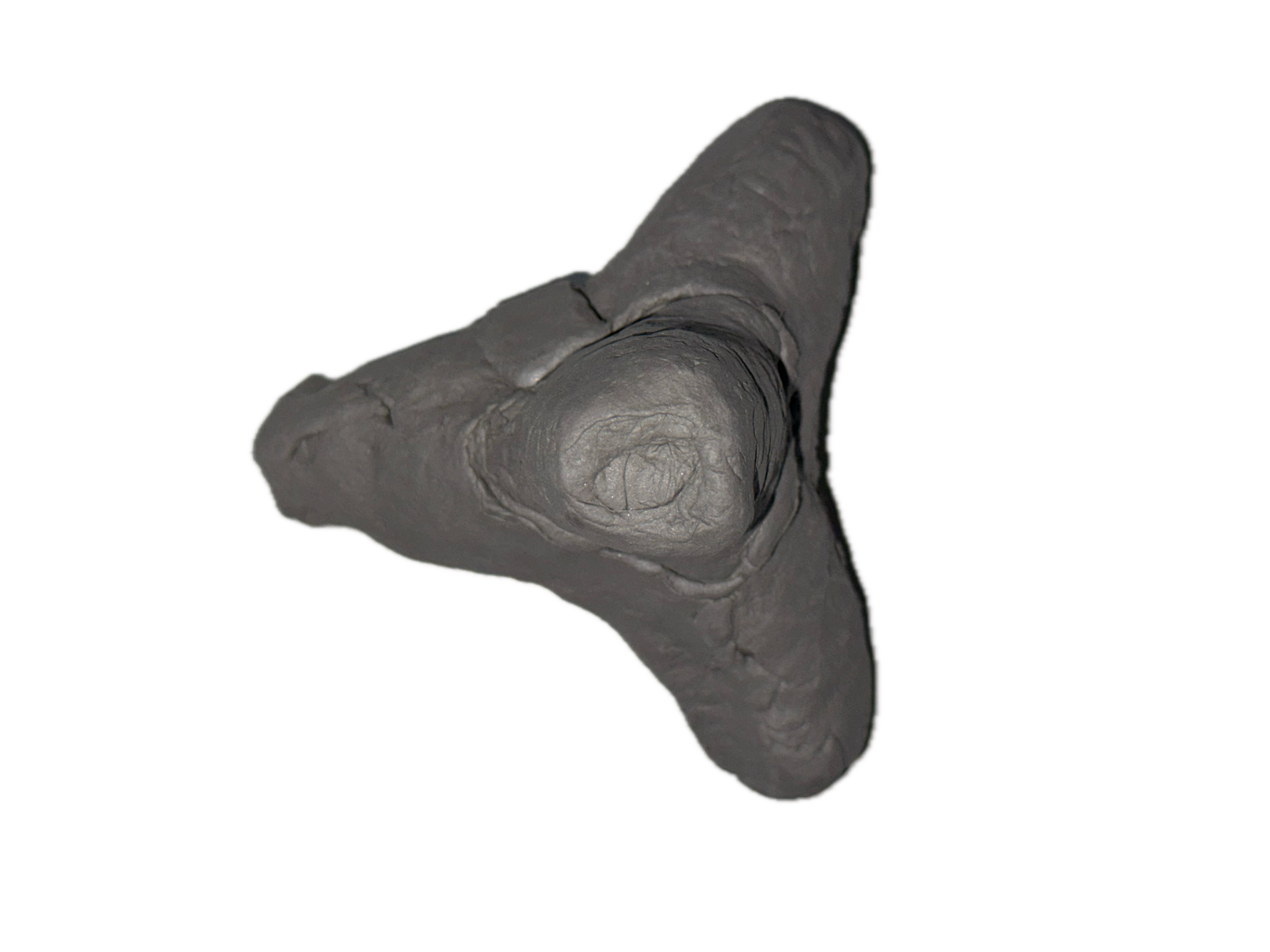
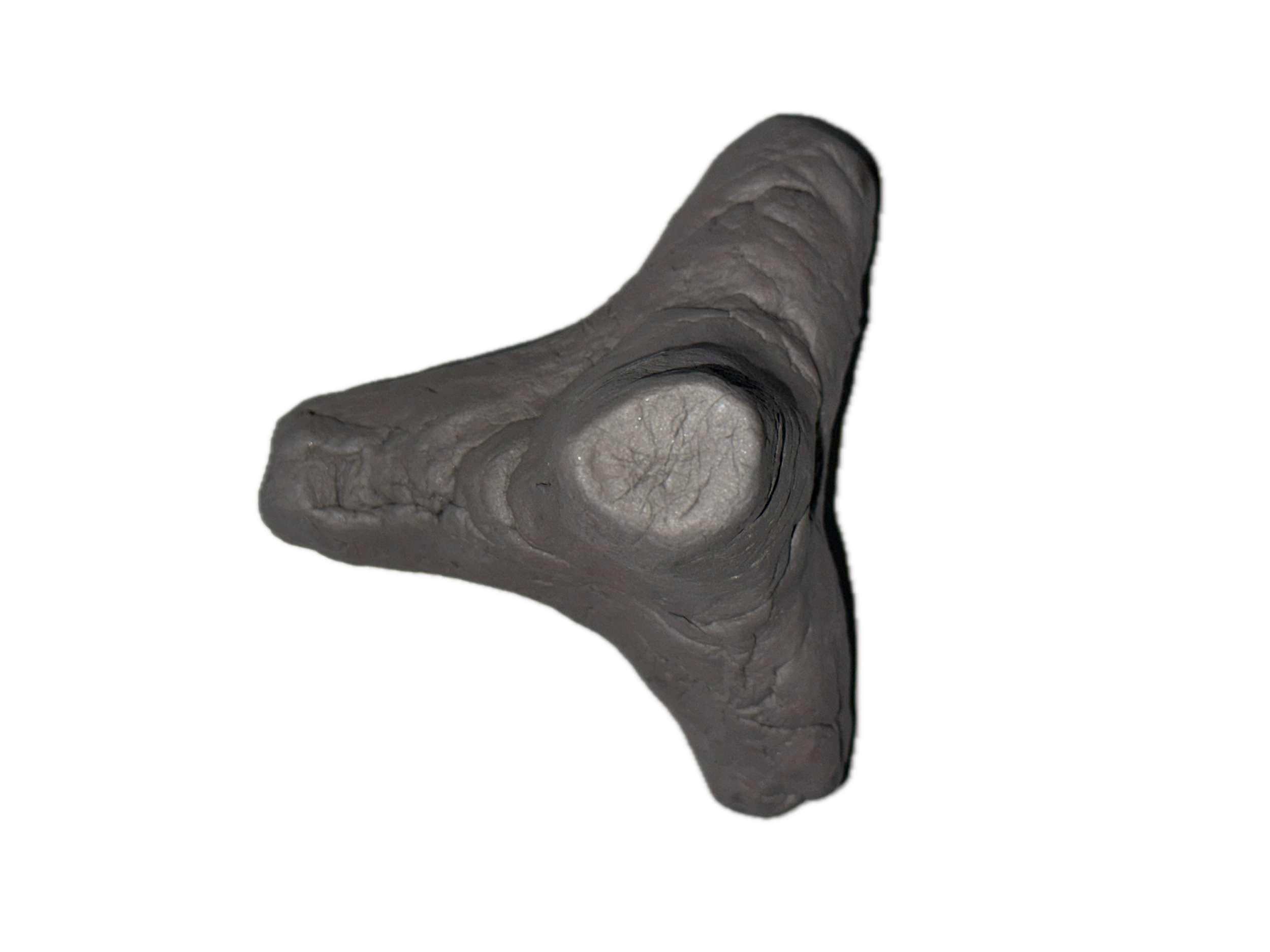
MatadataAlthough all six pieces were produced from a single mold, the process did not result in true sameness.
I observed variations caused by how firmly I pressed the clay into the mold, how long it remained before release, and how I handled the form during demolding.
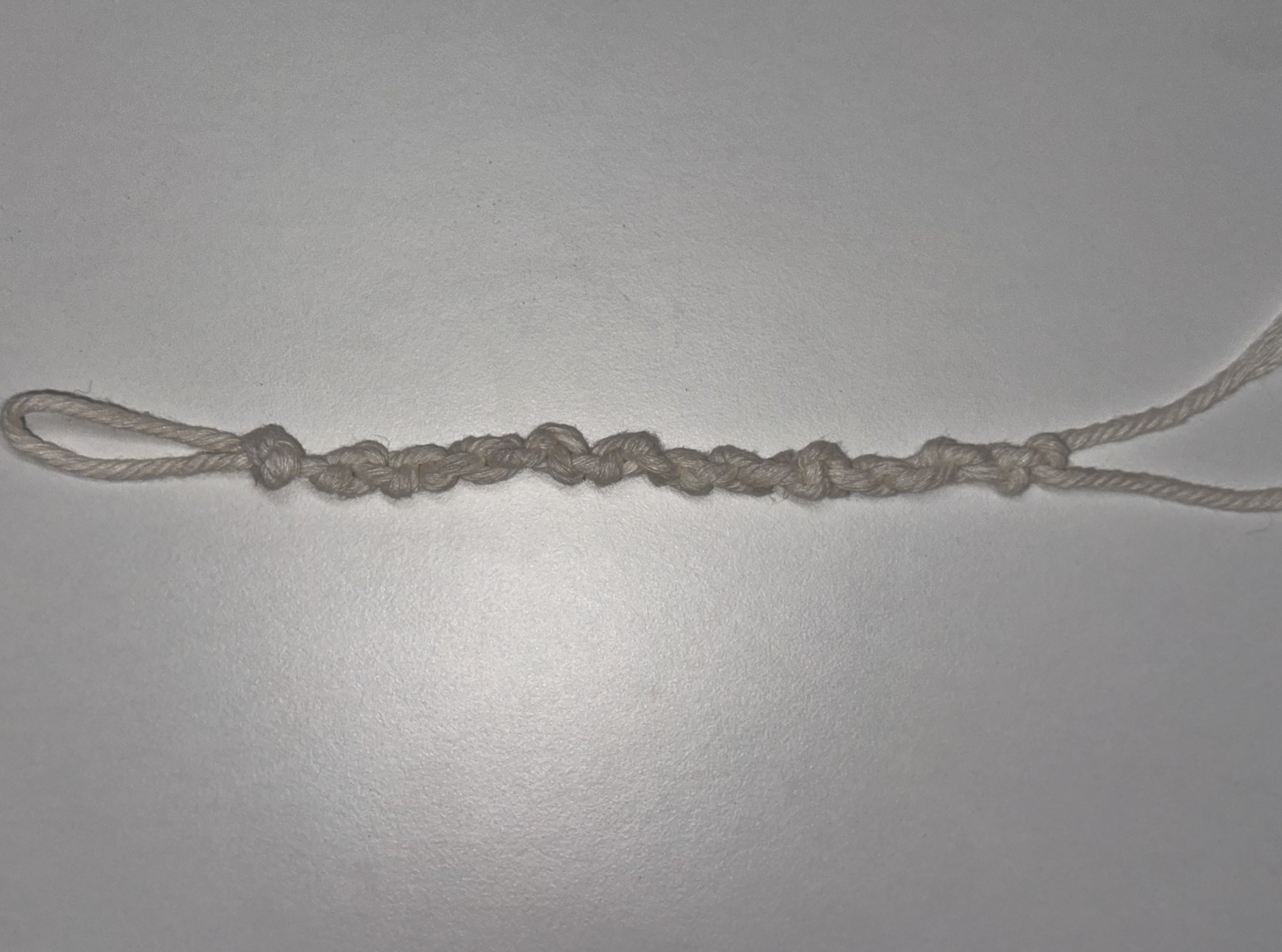
MatadataMatadataAfter experimenting with clay, I decided to try a completely different material and technique: cotton rope and macramé. As a beginner, tutorials were essential. Its soft and malleable nature made shaping it entirely different from clay. I started with a series of basic knots. I chose a simple knot as my starting point, adjusting its density and spacing as my first step in exploration.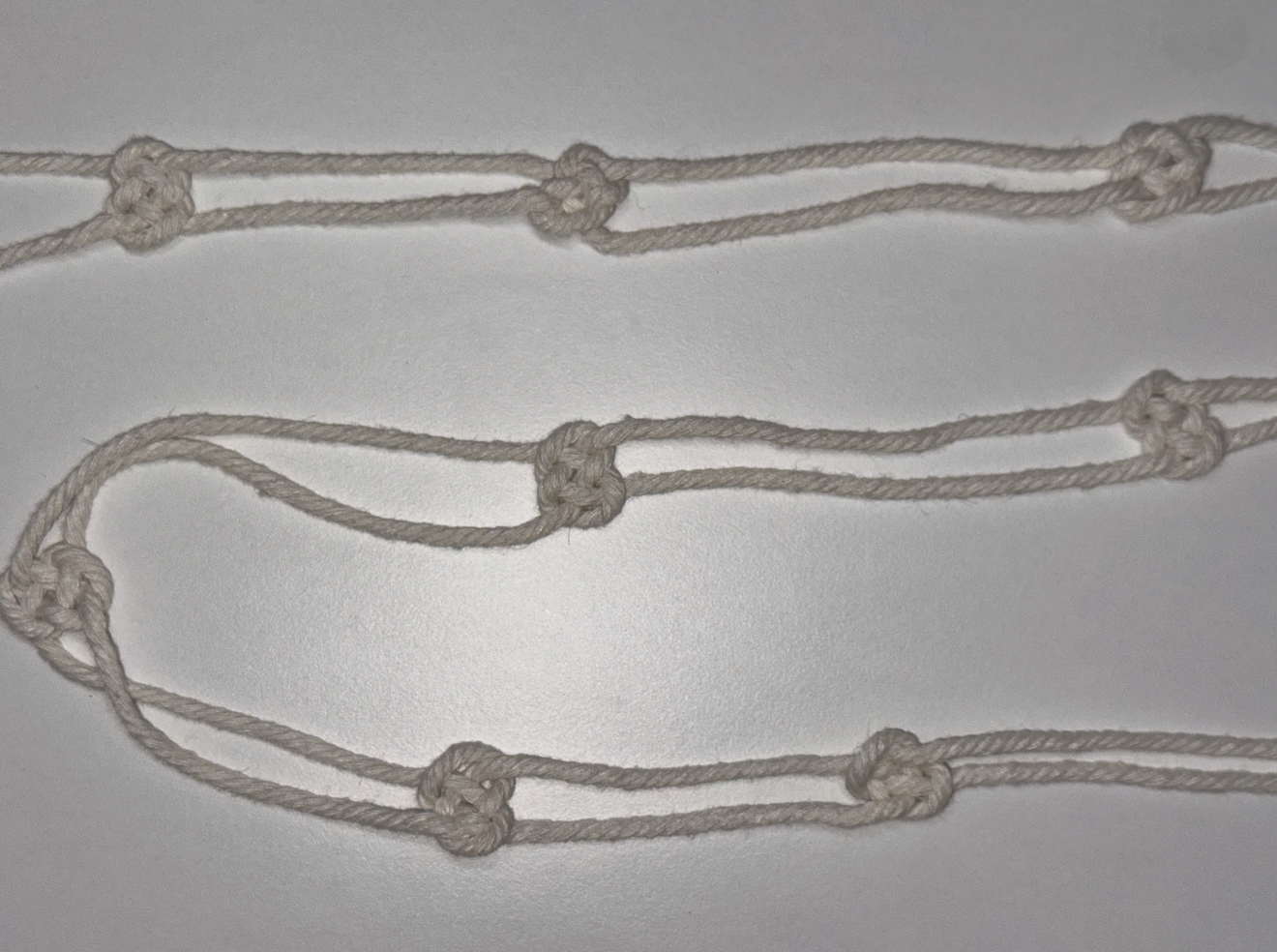
MatadataBesides the knot density and spacing being variable factors, I also discovered during the knotting process that even the same knot can look completely different depending on whether it's pulled tight or left loose.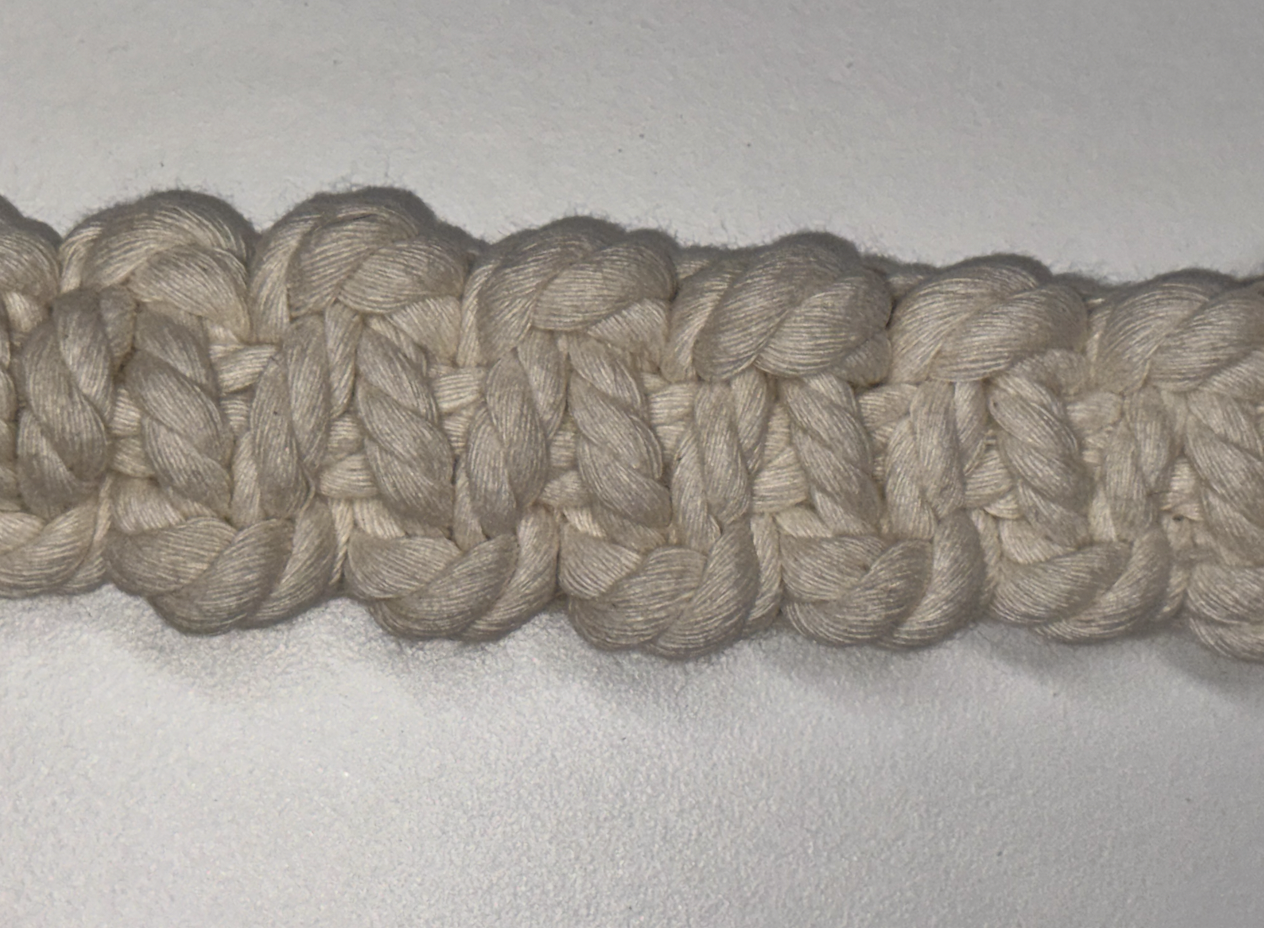
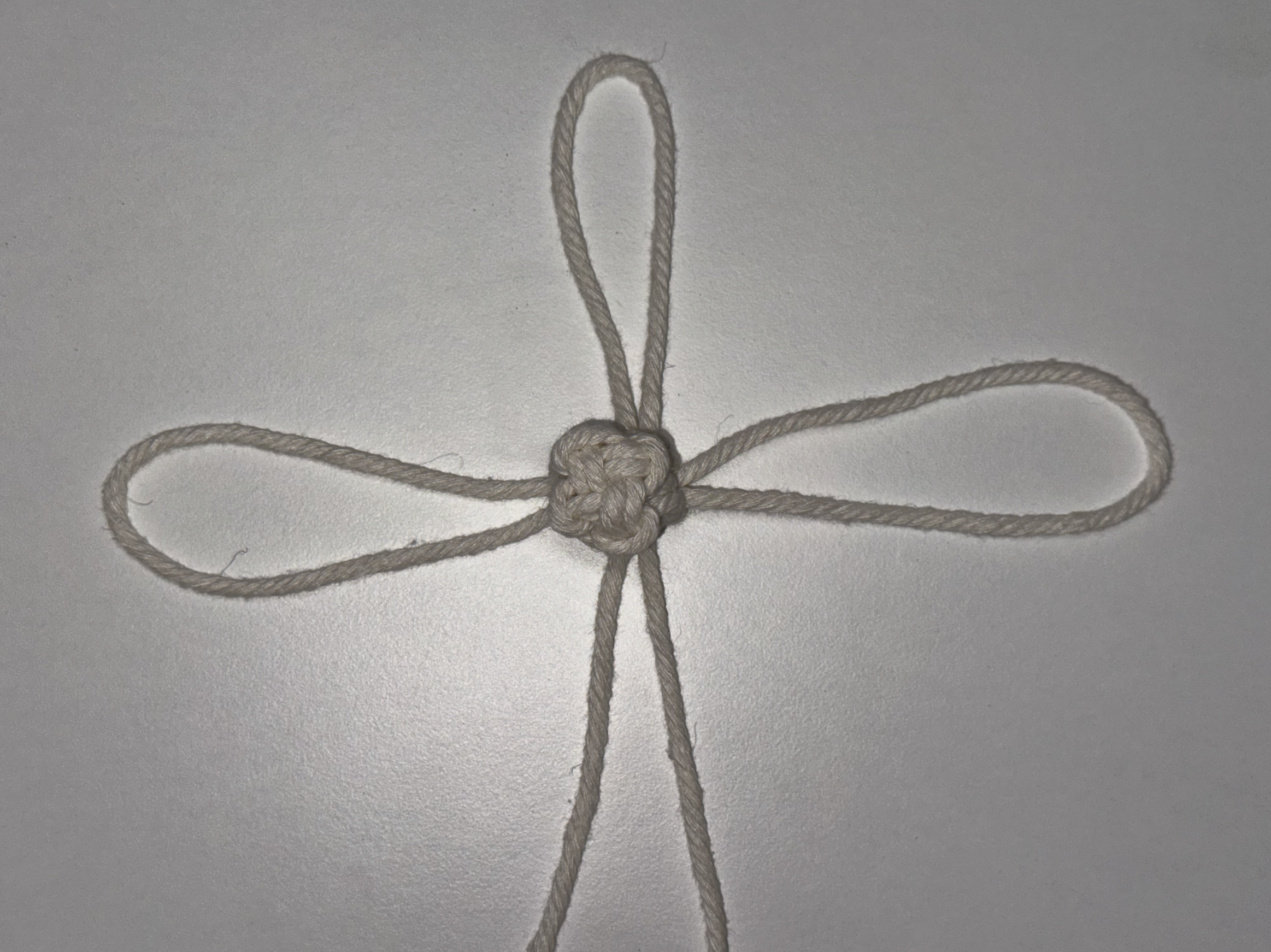
MatadataI have formally begun practicing macramé. I believe knotting is the foundation of macramé. My conclusion from practice is that macramé patterns appear so regular precisely because I grasped this concept: the most crucial aspect of crafting is mastering all controllable factors within your own grasp.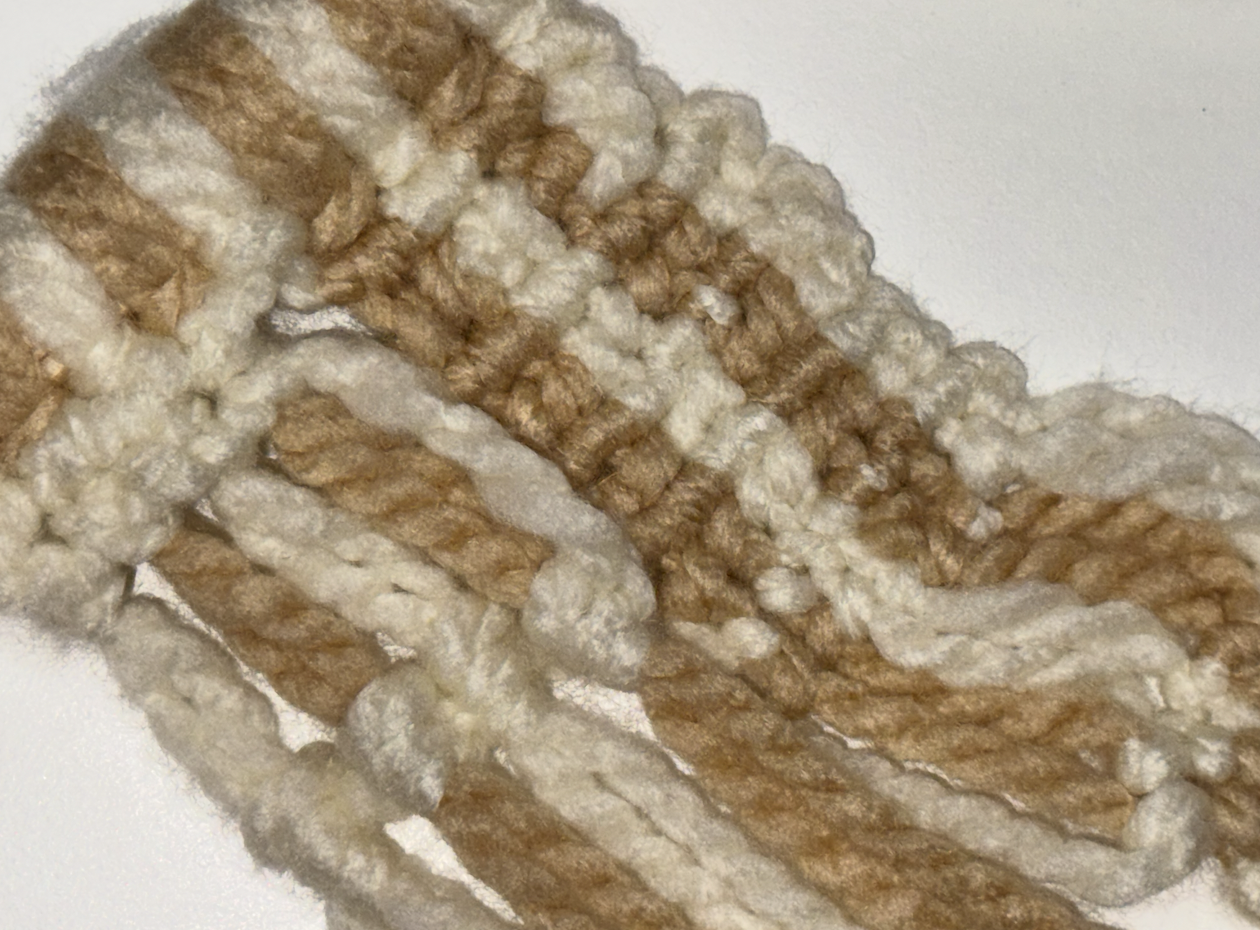
MatadataI believe macramé's versatility also lies in the choice of different fibers. Even when following the same tutorial video, patterns made with different materials will look completely distinct. FT stands for Fiber Testing. Both FT01 and Macrame03 are square knots woven with four strands. FT01 is a fine yet highly elastic fiber. This characteristic makes it strong yet remarkably lightweight after knotting. Macrame03 is a cotton cord that readily builds volume, greatly enhancing the pattern's visual impact. This makes it one of the most common choices for macrame.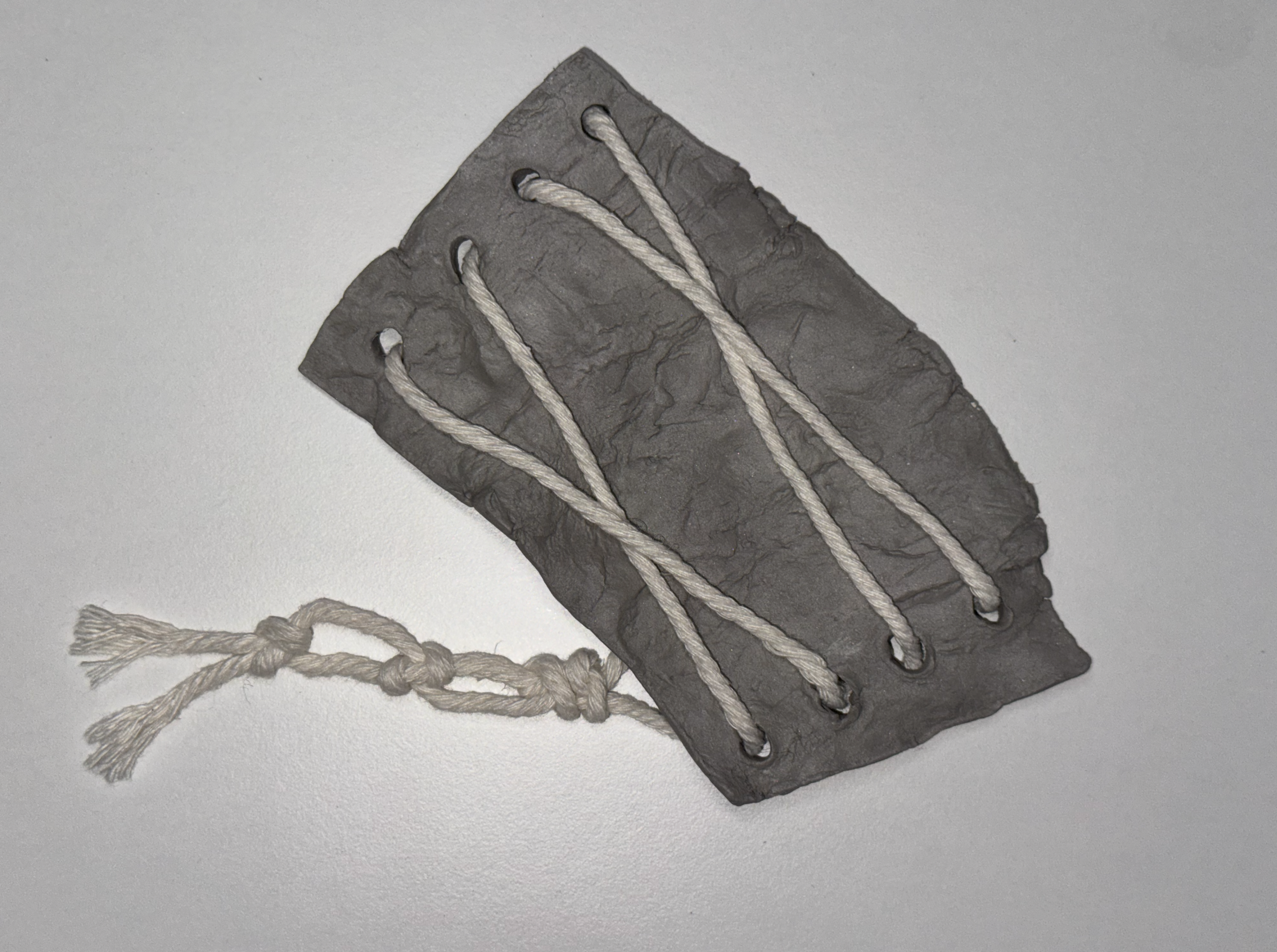
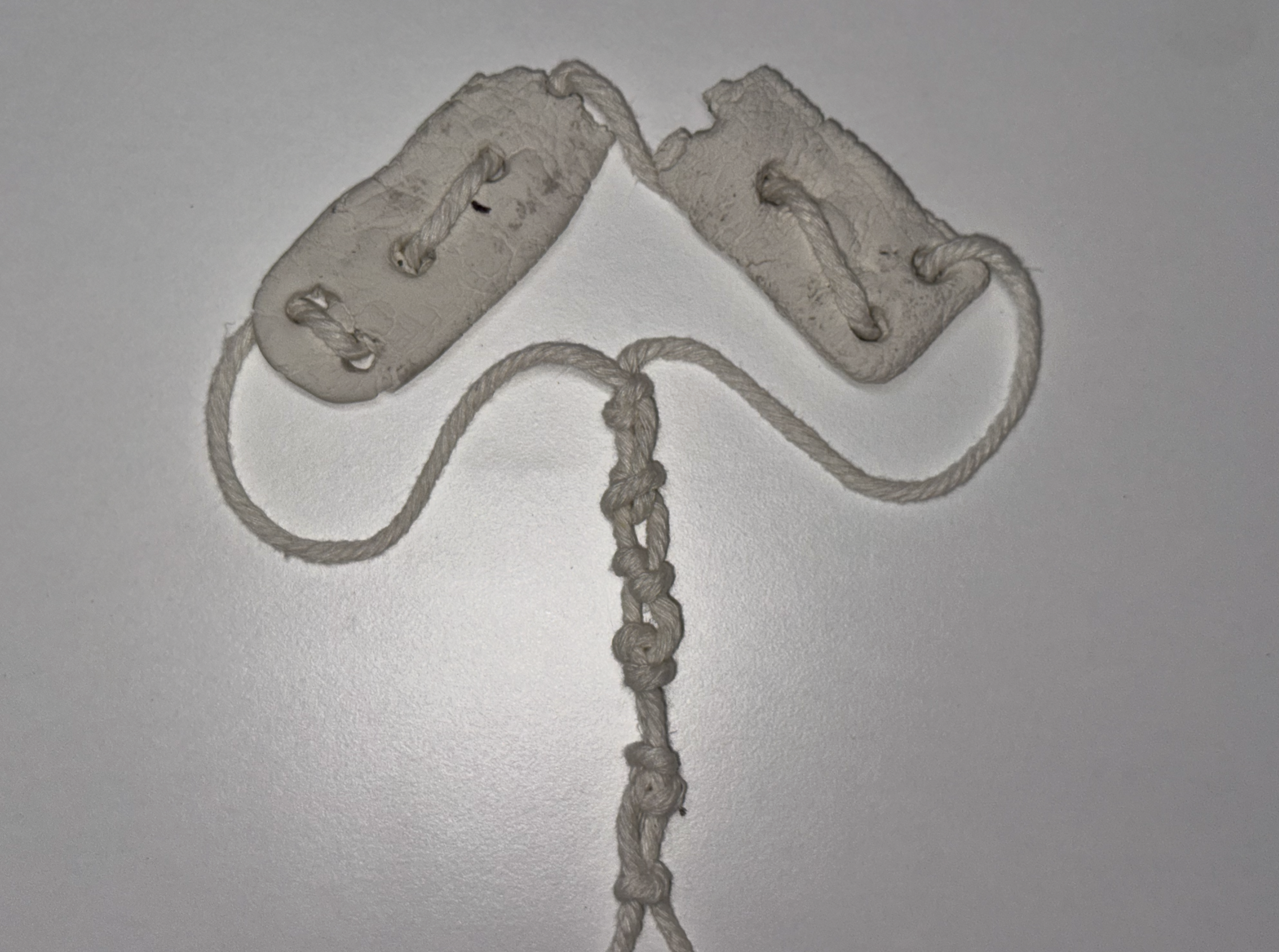
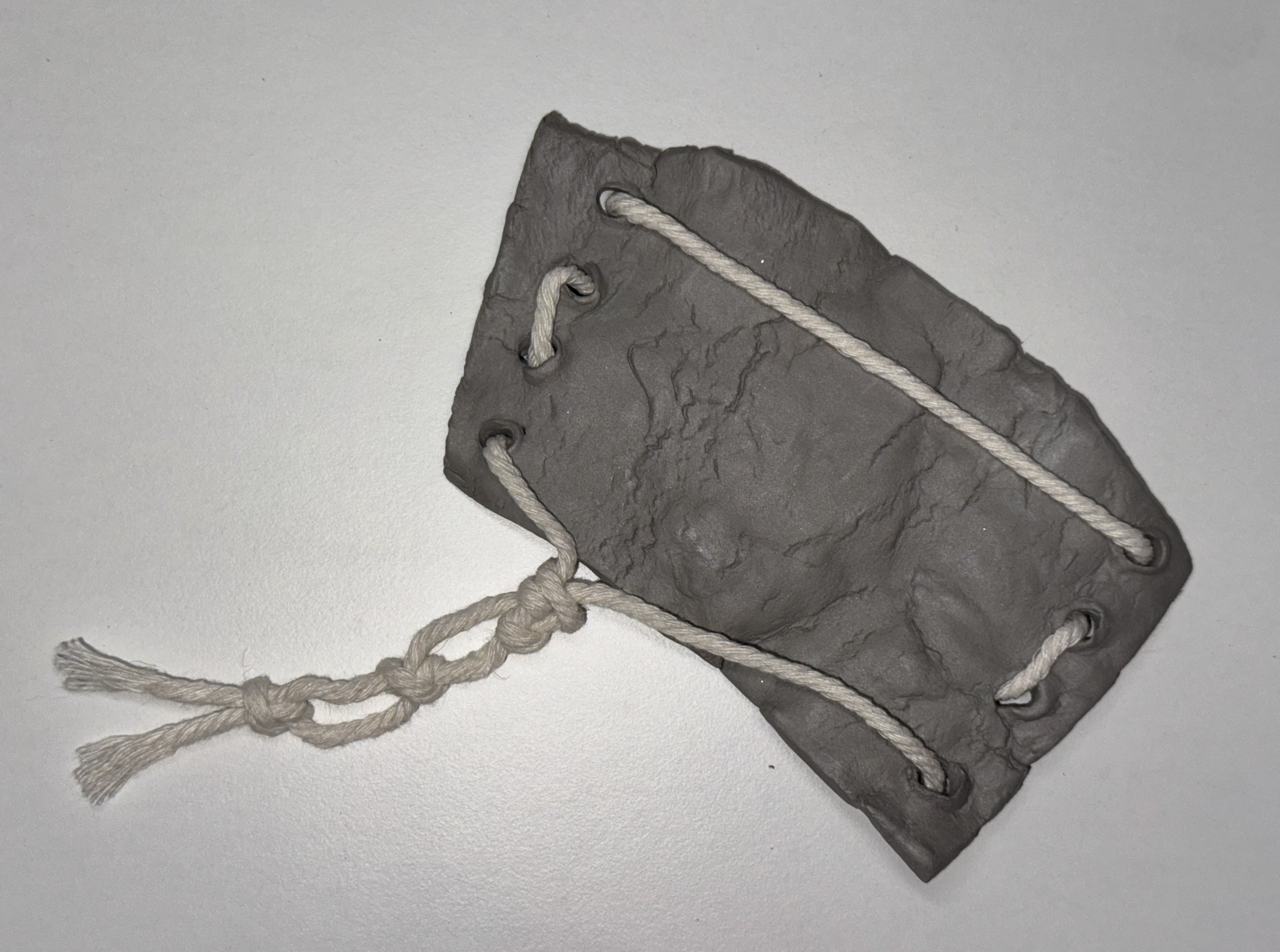
MatadataAt this stage, I began combining modeling clay with knots. I used knots to string the clay pieces together by piercing them.