Matadata
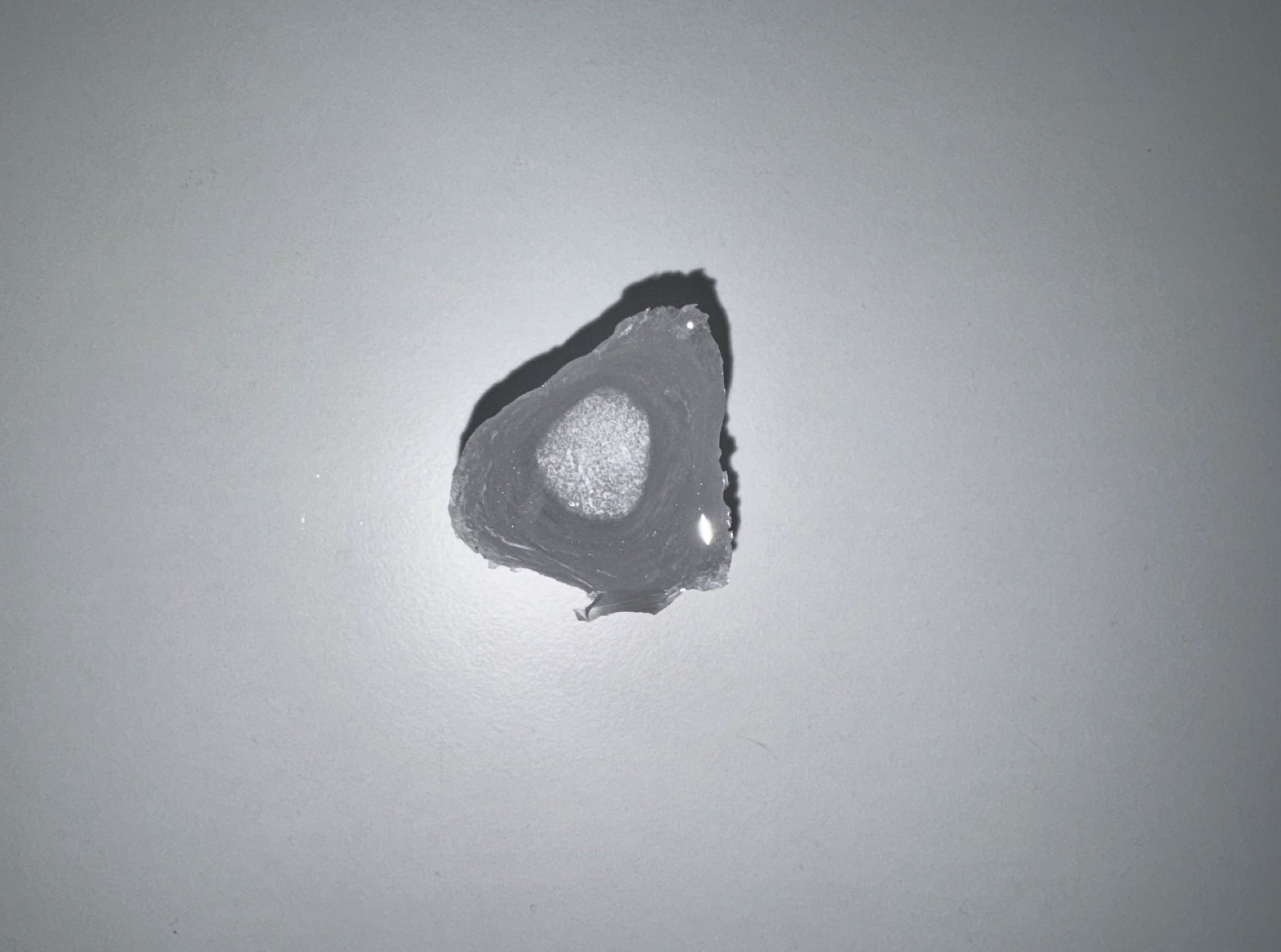
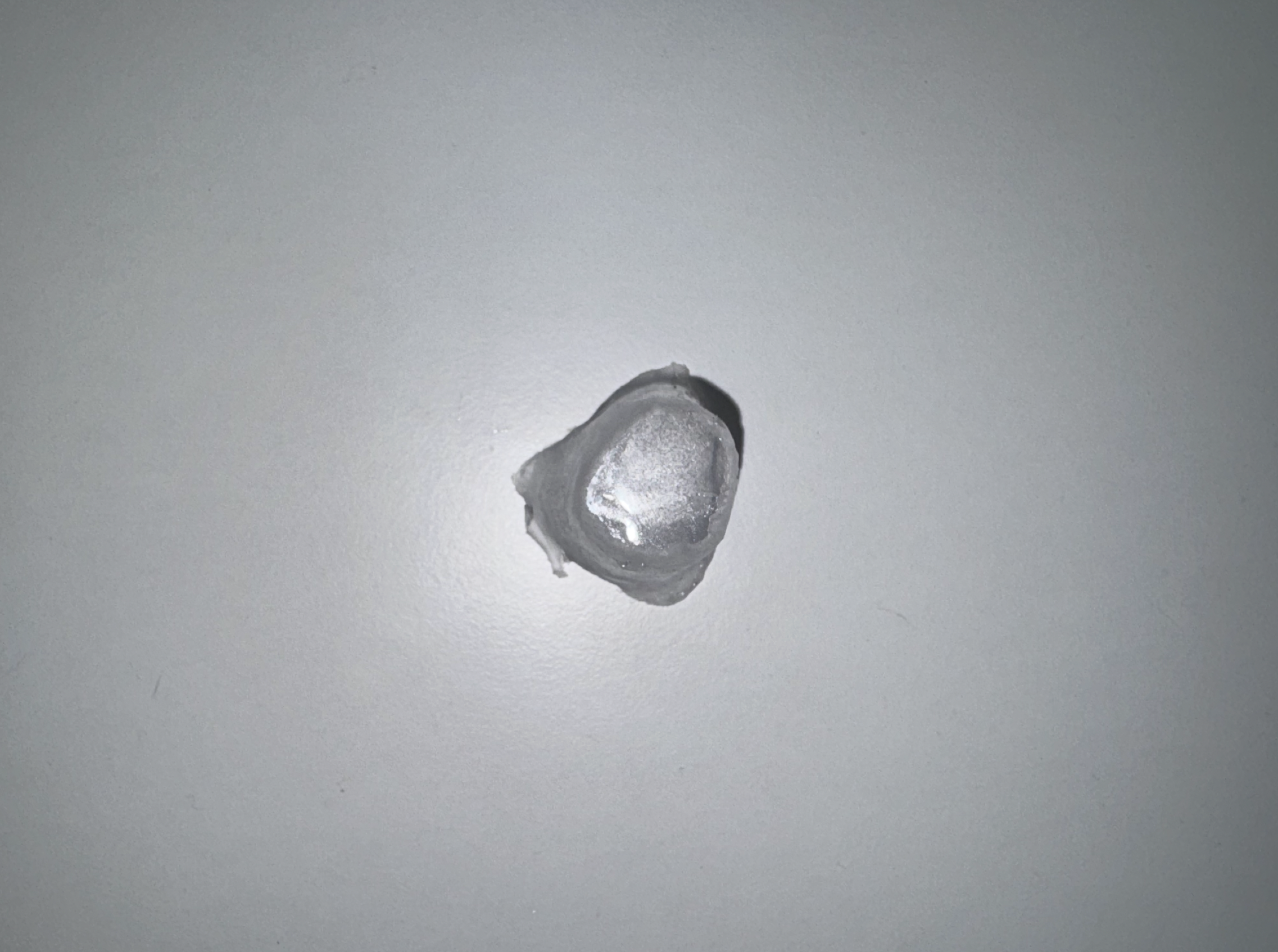
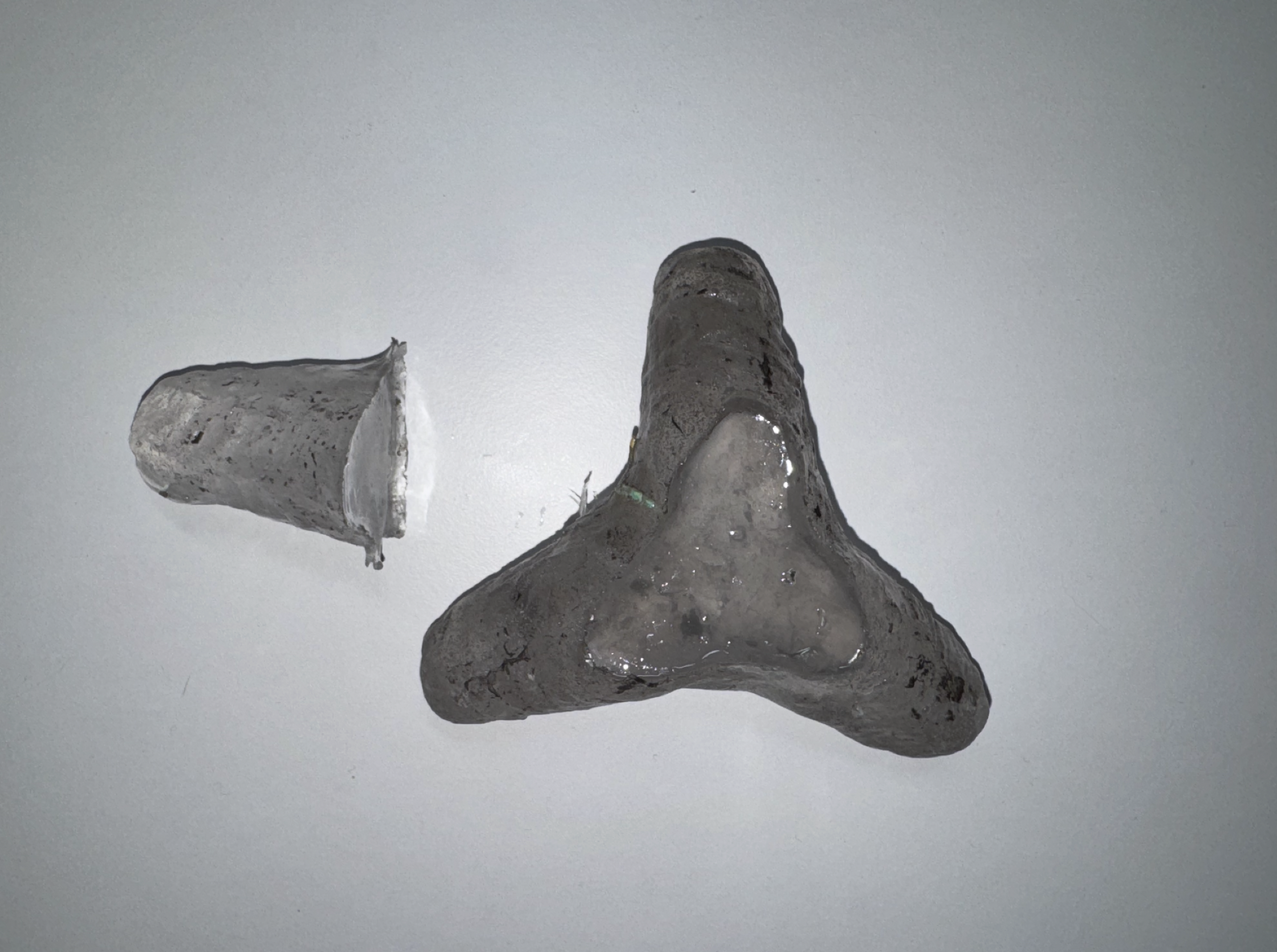
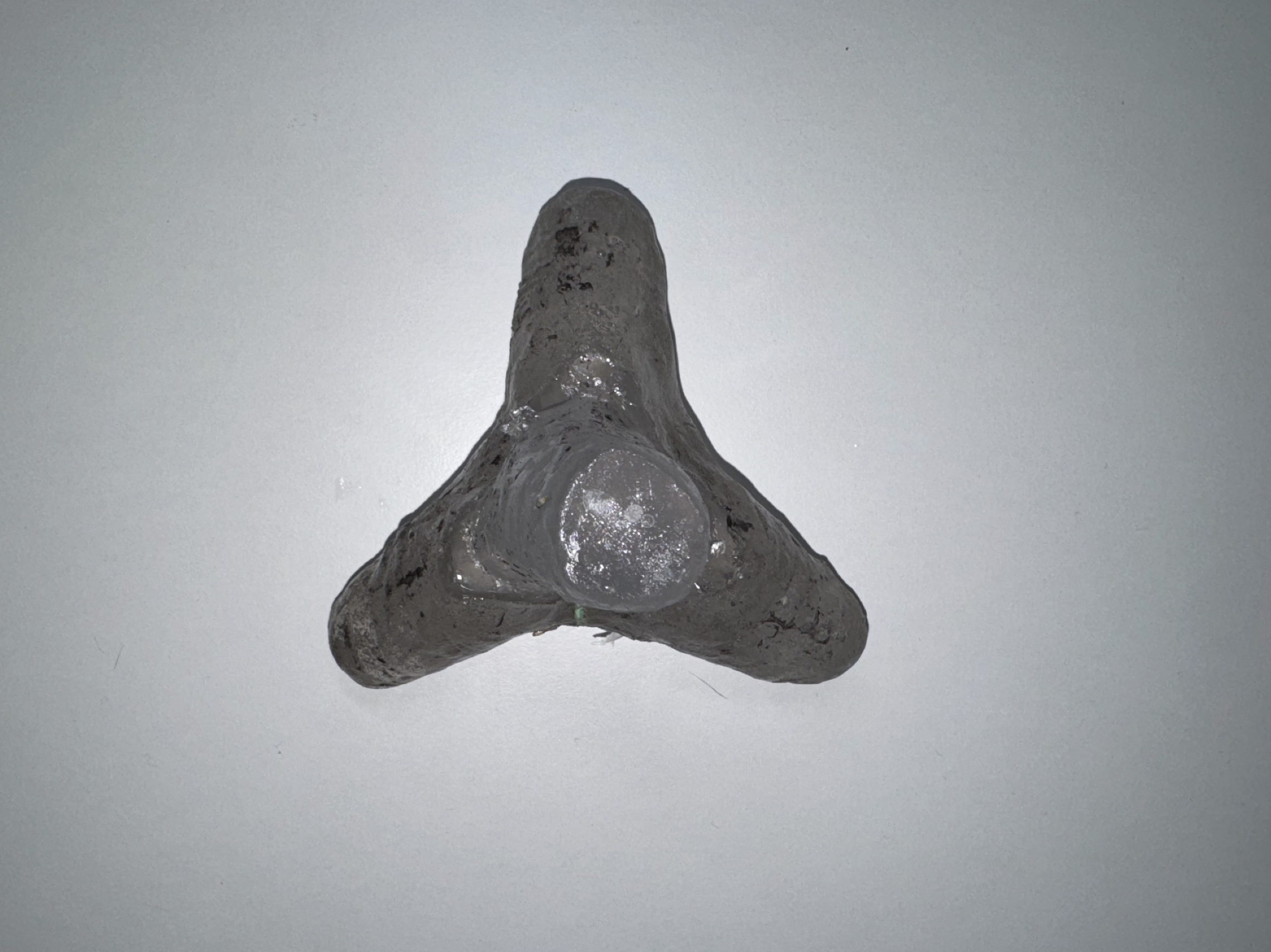
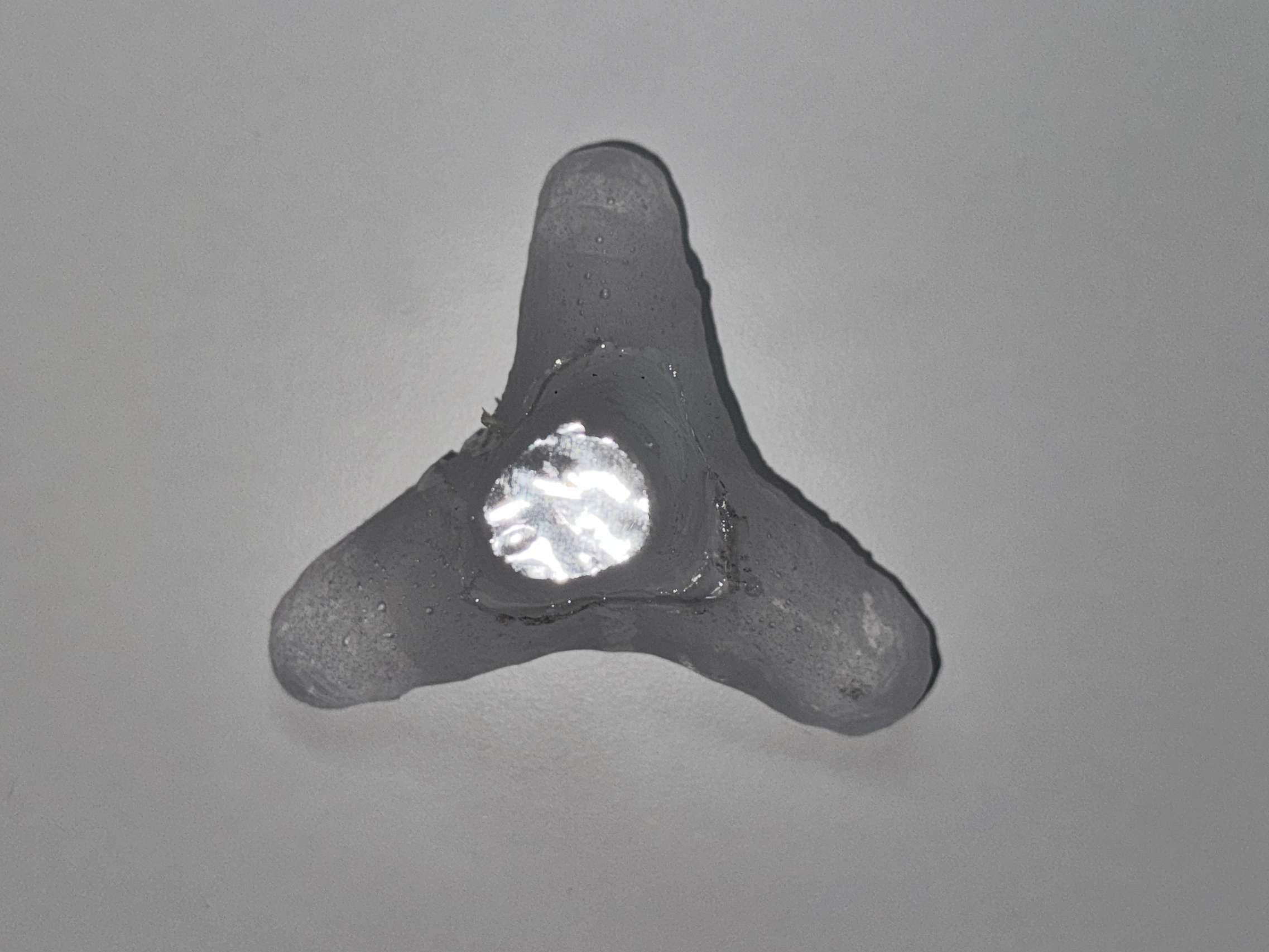
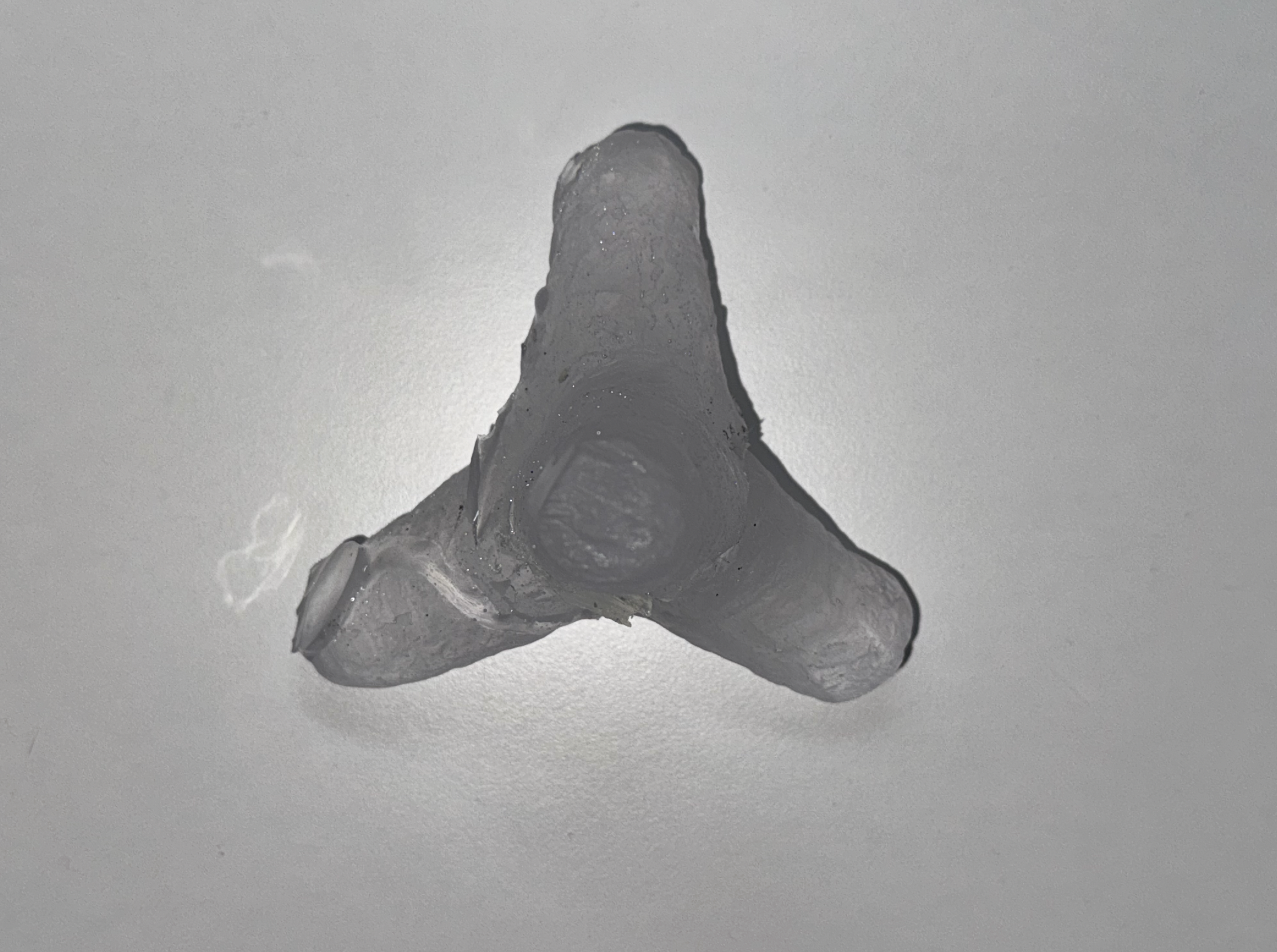
R01 functions as a localized material test, allowing me to observe resin flow, curing behavior, and surface qualities within a partial section of the mold. Building on this understanding, R02 marks my first full casting attempt. Due to the mold being divided into two halves, each side was poured separately, introducing visible seams and alignment challenges at the connection points.

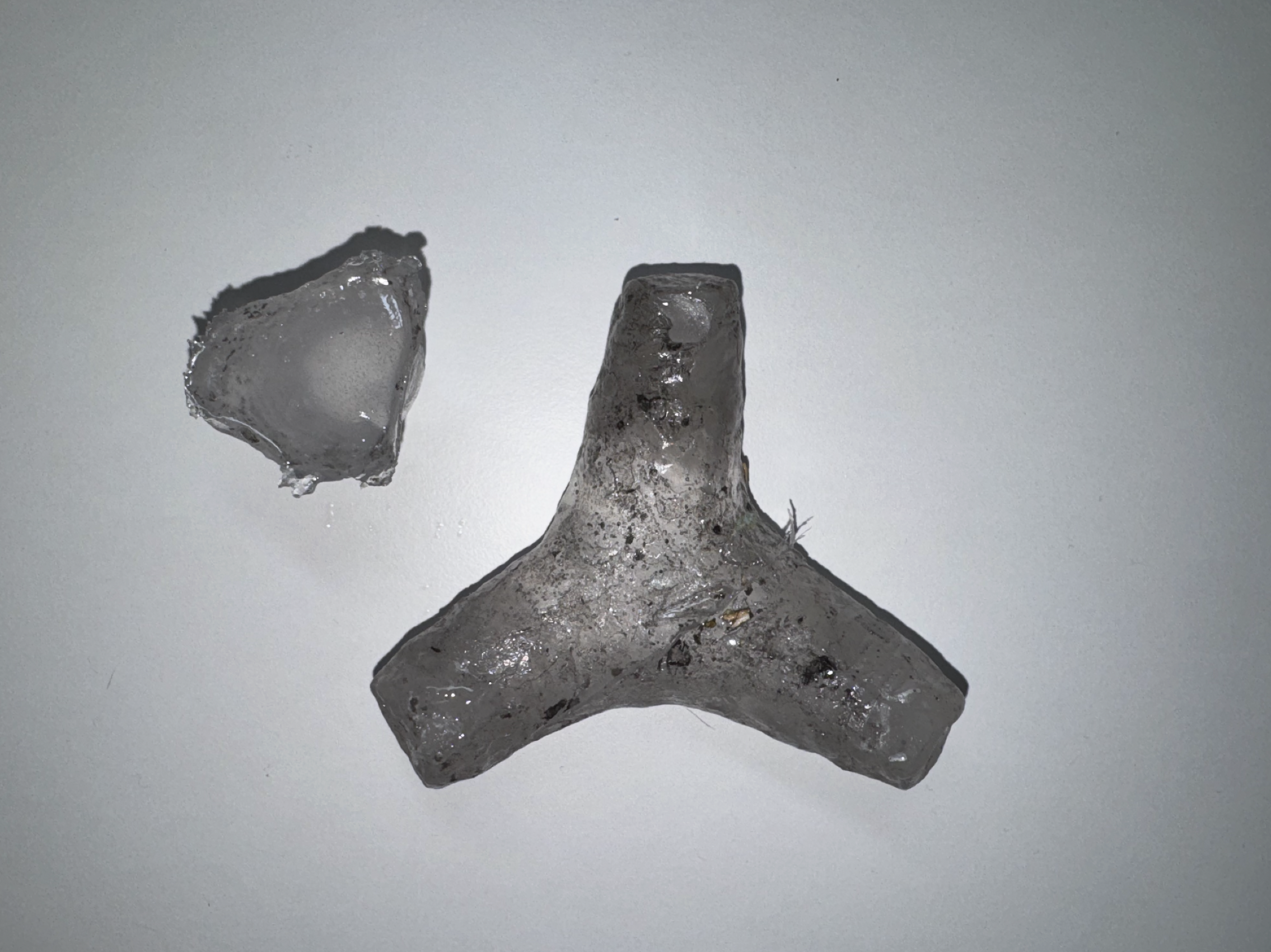
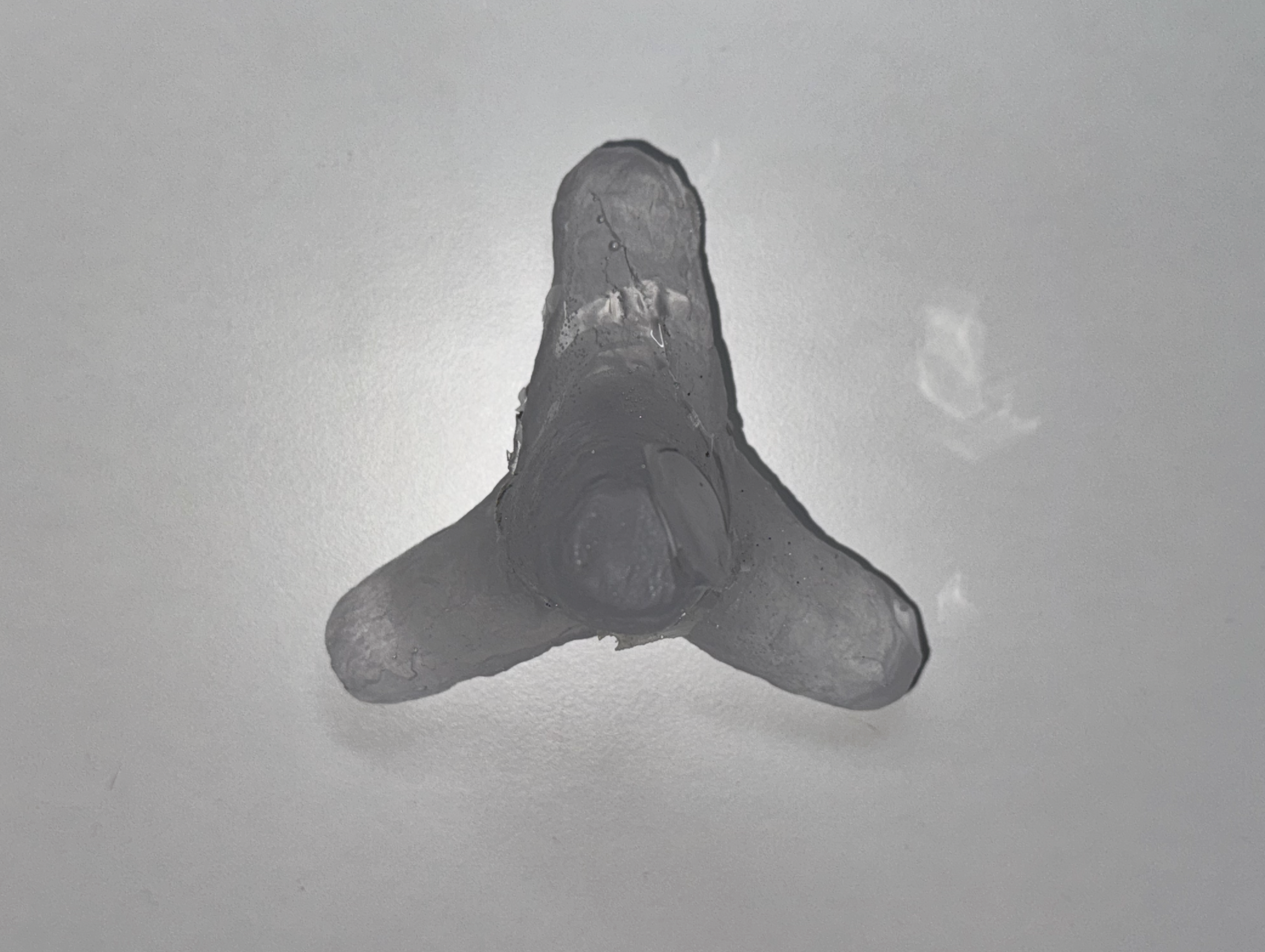
In response to these issues, R03 represents a shift in approach: the mold was assembled prior to casting, allowing the resin to be poured as a single volume. This adjustment significantly improved overall cohesion while still requiring post-processing at the joints.

This series documents my initial experiments with epoxy resin casting, focusing on how mold configuration and pouring method influence the final object.
Across the three samples, the material remains constant, while variables such as casting sequence, mold assembly, and joint treatment are intentionally adjusted. I observed that even when working from the same mold, decisions made during pouring and assembly have a substantial impact on surface continuity, seam visibility, and perceived completeness of the form.